Understanding the Importance of Deadlifts in Strength Training
Deadlifts are a fundamental exercise in strength training, known for their ability to engage multiple muscle groups simultaneously. This compound movement primarily targets the back, glutes, hamstrings, and core, making it an efficient way to build overall strength and power.
Incorporating deadlifts into your workout routine not only enhances muscle growth but also improves functional strength, which is crucial for daily activities. Studies show that regular deadlifting can lead to increased muscle mass and improved metabolic rate, contributing to better fitness outcomes for individuals of all levels.
Common Mistakes to Avoid When Performing Deadlifts
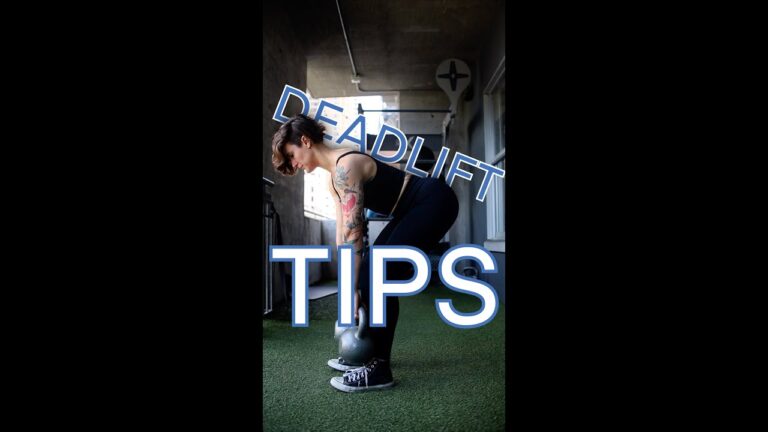
Many individuals make common mistakes when executing deadlifts, which can lead to injuries or reduced effectiveness. Key errors include improper form, such as rounding the back or using excessive weight too soon, which can compromise safety and results.
To avoid these pitfalls, focus on maintaining a neutral spine, engaging your core, and using a weight that allows for proper technique. Practicing with lighter weights and gradually increasing the load can help ensure that you develop the correct form and prevent injury.
Progression Techniques for Mastering the Deadlift
Once you have a solid foundation in deadlift technique, progressing your lifts is essential for continued strength gains. Incorporating variations such as sumo deadlifts, Romanian deadlifts, and deficit deadlifts can challenge your muscles in new ways and promote further development.
Additionally, utilizing tools like resistance bands or chains can add variable resistance, enhancing your training stimulus. Tracking your progress and setting incremental goals will keep you motivated and ensure that you are consistently improving your deadlift performance.
Integrating Deadlifts into Your Fitness Routine
To maximize the benefits of deadlifts, it’s important to integrate them effectively into your overall fitness routine. This includes balancing your workouts with complementary exercises that target other muscle groups and allow for adequate recovery.
Consider pairing deadlifts with exercises like squats or lunges on strength training days, while ensuring you include rest days for muscle recovery. A well-rounded fitness program not only enhances performance but also reduces the risk of overtraining and injury.