The Importance of Posture in Daily Life
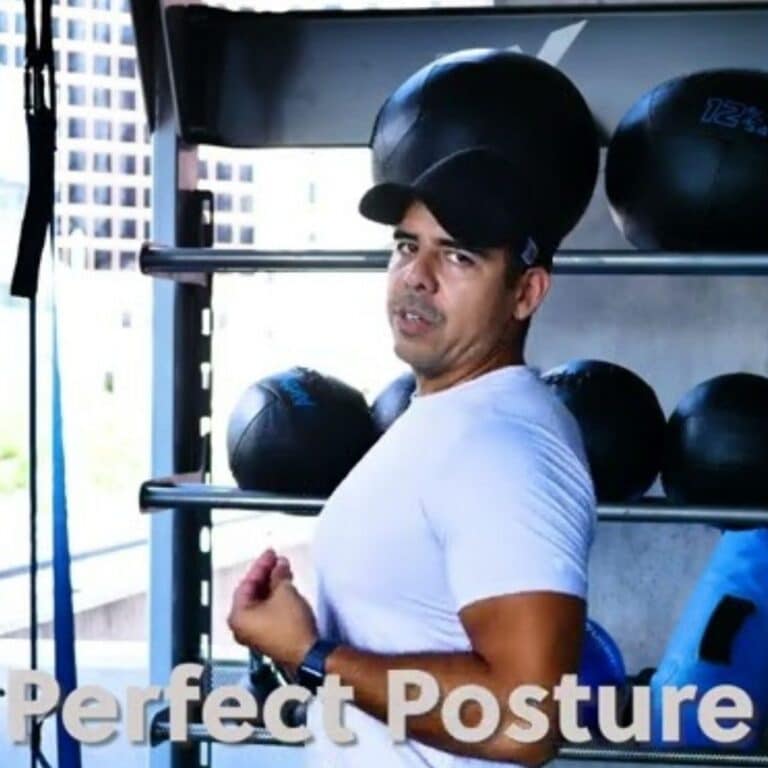
Maintaining proper posture is essential for overall health and well-being. Good posture helps distribute body weight evenly, reducing strain on muscles and ligaments, which can prevent discomfort and injuries. It also plays a critical role in enhancing respiratory function and promoting better circulation.
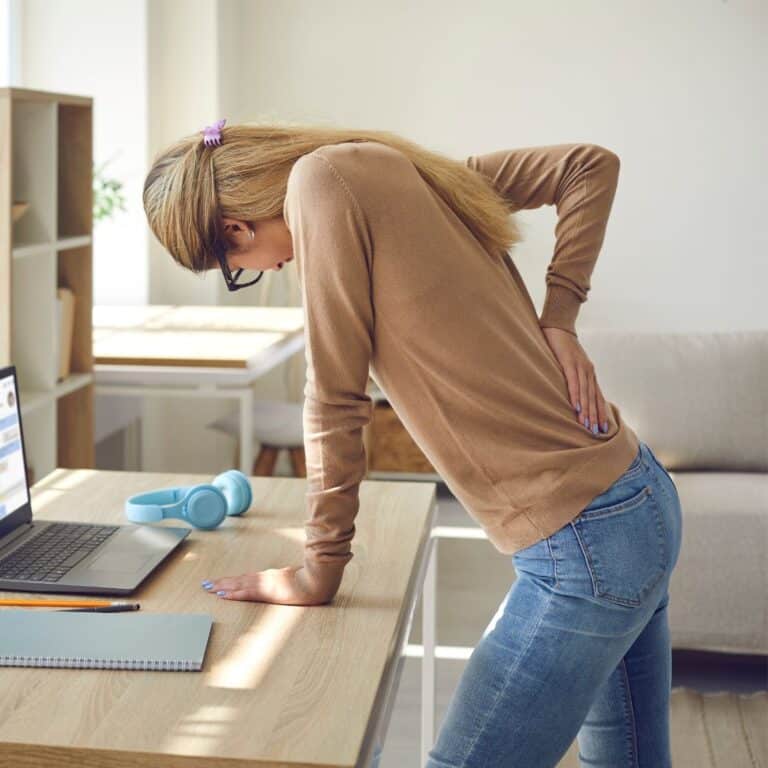
For instance, individuals who sit at desks for prolonged periods often experience back and neck pain due to poor posture. By being mindful of posture throughout the day, such as adjusting chair height and taking regular breaks, one can significantly improve their physical health and comfort levels.
Common Posture-Related Issues
Many people face posture-related issues that can lead to chronic pain and discomfort. Common problems include forward head posture, rounded shoulders, and excessive lumbar curvature. These conditions can arise from prolonged sitting, improper ergonomics, and lack of physical activity.
For example, forward head posture, often seen in individuals who frequently use smartphones or computers, can lead to tension headaches and neck pain. Recognizing these issues early and addressing them with appropriate exercises and ergonomic adjustments can help mitigate their effects.
Effective Exercises for Posture Improvement
Incorporating specific exercises into your routine can greatly enhance your posture. Strengthening the core, back, and shoulder muscles is vital for maintaining alignment and stability. Exercises such as planks, shoulder blade squeezes, and wall angels are particularly effective.
For instance, performing planks not only engages the core muscles but also encourages proper spinal alignment. Consistently practicing these exercises can lead to noticeable improvements in posture and overall physical health.
Tips for Maintaining Good Posture Throughout the Day
To maintain good posture throughout the day, consider implementing small changes to your daily routine. Being aware of your posture while sitting, standing, and moving can make a significant difference. Simple reminders, such as setting an alarm to check your posture or using ergonomic furniture, can help reinforce healthy habits.
Additionally, practicing mindfulness and stretching regularly can alleviate tension and promote relaxation in the muscles. Techniques such as yoga or Pilates can also enhance body awareness and posture, contributing to long-term health benefits.