Seed oils have become a hot topic in nutrition and wellness circles. Some experts argue they’re harmful, while others claim they can be part of a balanced diet. With so much confusion, it’s important to separate fact from fear so you can make the best choices for your health.
What Are Seed Oils?
Seed oils—also called vegetable oils—are oils extracted from the seeds of plants. Common examples include soybean oil, canola oil, sunflower oil, corn oil, and cottonseed oil. These oils are often highly processed and widely used in packaged foods, fried foods, and restaurant cooking.
Why the Concern About Seed Oils?
The debate around seed oils largely comes down to their fatty acid profile and how they’re processed:
- High in omega-6 fatty acids: While we need some omega-6s, our modern diets are often overloaded with them compared to omega-3s. This imbalance may promote inflammation.
- Heavily processed: Most seed oils are extracted with chemical solvents and refined at high heat, which can damage the oil and create harmful byproducts.
- Linked to poor-quality foods: Seed oils are a staple in ultra-processed snacks, fast food, and fried items—not exactly the foundation of a nutrient-rich diet.
It’s not that a drop of canola oil will harm you, but consistent overconsumption of these oils may contribute to metabolic issues, inflammation, and heart health concerns.
Oils to Limit or Avoid
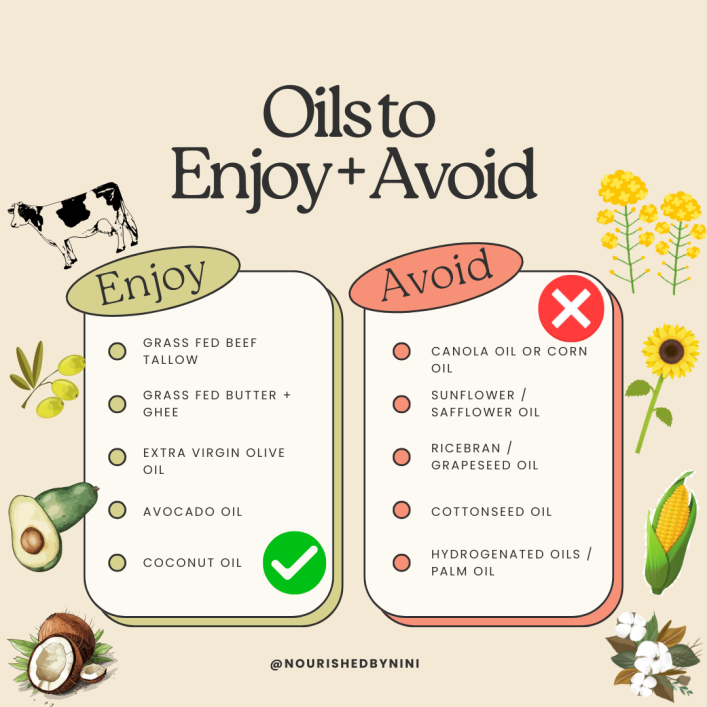
If you want to lower your intake of highly refined seed oils, these are the main ones to minimize:
- Soybean oil
- Corn oil
- Canola oil (otherwise known as rapeseed oil)
- Cottonseed oil
- Sunflower oil
- Safflower oil
- Grapeseed oil
These oils are commonly found in salad dressings, mayonnaise, margarine, packaged foods, processed foods, restaurants and deep-fried foods. Reading ingredient labels and asking restaurants can help you spot them.
Do you enjoy learning about macronutrients, superfoods and health tips?
Subscribe to our newsletter and expert insights on fitness, nutrition, and overall wellness, delivered straight to your inbox every month.
Oils to Enjoy
Not all oils are created equal. Many oils are nutrient-dense, rich in antioxidants, and more stable for cooking. Here are better options to use in your kitchen:
- Extra Virgin Olive Oil – Packed with antioxidants and monounsaturated fats, olive oil supports heart health and is excellent for drizzling, dressings, and low to medium-heat cooking.
- Avocado Oil – High in monounsaturated fats with a high smoke point, making it great for roasting, sautéing, and grilling.
- Coconut Oil – Contains medium-chain triglycerides (MCTs) and is stable at high heat. Best used in moderation due to higher saturated fat content.
- Ghee or Grass-Fed Butter – Natural fats that add flavor and stability when cooking.
Seed oils aren’t “poison,” but they’re not the best choice for optimal health when used as your primary cooking oils. Instead of obsessing over avoiding every trace, focus on reducing ultra-processed foods and swapping in nutrient-rich oils when you cook at home. Balance matters—and prioritizing whole, unprocessed foods with high-quality fats will do far more for your health than stressing over one ingredient.
If you’ve ever looked into kidney health or explored specialized diets like low-oxalate eating plans, you may have come across the term oxalates. But what exactly are oxalates, and do they matter for your health?
How RxFit Meal Prep Can Help
Balancing your diet doesn’t have to be complicated. At RxFit, we know it’s easy to get overwhelmed when trying to make the best nutrition choices for your body.
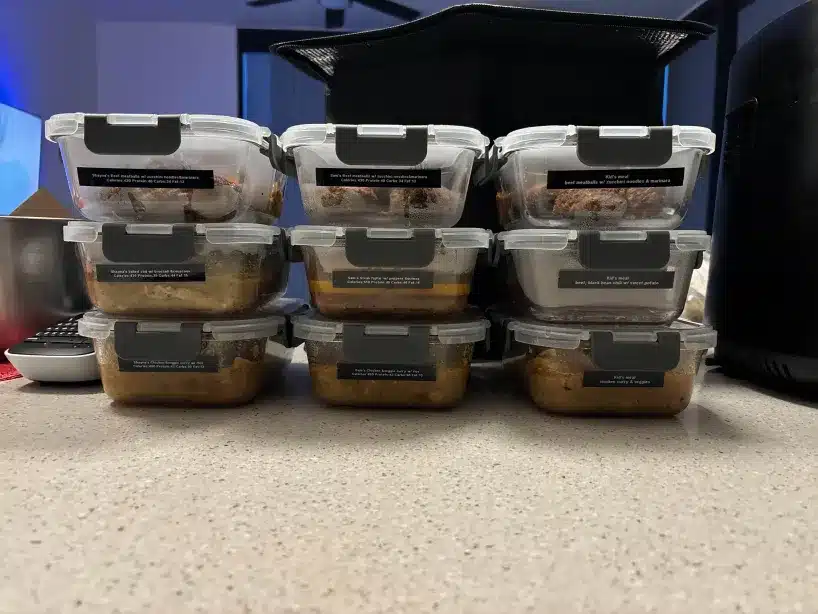
That’s where RxFit Meal Prep Service comes in. Our meals are designed by fitness and nutrition experts to be nutrient-dense, balanced, and easy to enjoy – without the guesswork. Whether you need more calcium-rich pairings, lower-oxalate options, or just want wholesome food ready when you are, we’ve got you covered.
With RxFit Meal Prep, you’ll save time, fuel your workouts, and take care of your body – one meal at a time.
Want to learn more?
Book a free consultation call with our in-house Functional Nutritionist, Nini, to get personalized advice on meal planning, macro coaching, and more.
or send email to nini@rxfitatx.com
