Frequently Asked Questions
How to avoid seed oils in restaurants?
To avoid seed oils in restaurants, inquire about cooking oils used in dishes and request alternatives like olive oil or butter. Choose items that are grilled, roasted, or steamed, and avoid fried foods, which often contain seed oils.
Which seed oils to avoid?
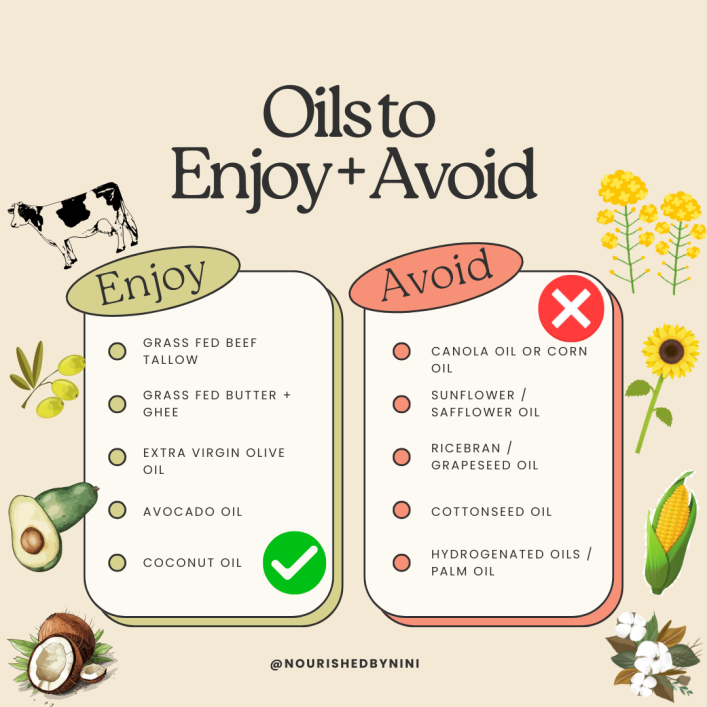
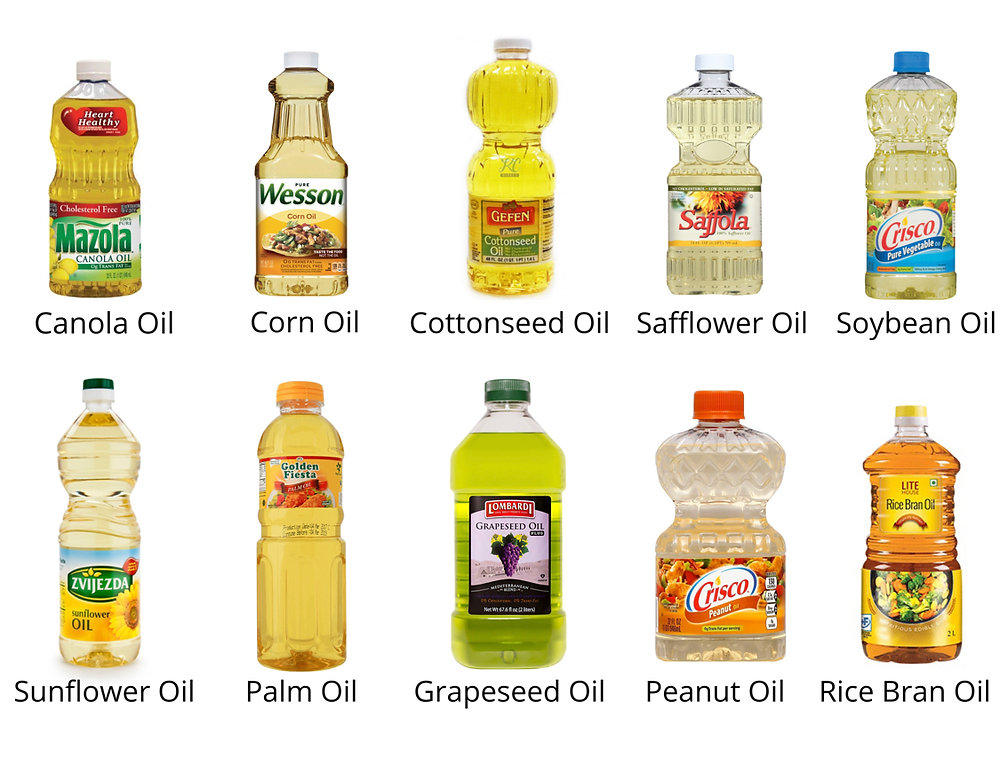
The seed oils to avoid include soybean oil, canola oil, corn oil, and sunflower oil, as they are linked to inflammation and chronic diseases. Opt for healthier alternatives like olive oil or coconut oil instead.
Why to avoid seed oils?
The reasons to avoid seed oils are clear: they are often linked to inflammation and chronic diseases due to their high levels of omega-6 fatty acids and processing methods. Opting for healthier fats can promote better overall health.
How to avoid seed oils at restaurants?
To avoid seed oils at restaurants, request dishes cooked in healthier fats like olive oil or butter, inquire about cooking methods, and avoid fried foods, salad dressings, and sauces that may contain seed oils.
Why should I avoid seed oils?
The reasons to avoid seed oils include their association with inflammation and chronic diseases, as they are often highly processed and contain unhealthy fats. Opting for healthier alternatives can significantly improve your overall health.
What are the seed oils to avoid?
The seed oils to avoid include soybean oil, canola oil, corn oil, and sunflower oil. These oils are often linked to inflammation and various chronic diseases, making them less suitable for a healthy diet.
What seed oils should I avoid?
The seed oils to avoid include soybean oil, canola oil, corn oil, and sunflower oil, as they are linked to inflammation and various health issues. Opt for healthier alternatives like olive oil or avocado oil instead.
Why do people avoid seed oils?
People avoid seed oils due to their association with inflammation and chronic diseases. Many individuals seek healthier cooking fats that promote better overall health, steering clear of processed oils like soybean and canola.
What are healthier alternatives to seed oils?
Healthier alternatives to seed oils include options like extra virgin olive oil, coconut oil, and grass-fed tallow, which are less processed and beneficial for overall health, reducing the risk of inflammation and chronic diseases.
How do seed oils affect inflammation levels?
Seed oils can significantly increase inflammation levels in the body due to their high omega-6 fatty acid content, which promotes inflammatory processes. This can lead to a higher risk of chronic diseases and health issues.
What are the health risks of seed oils?
The health risks of seed oils include increased inflammation and a higher likelihood of chronic diseases due to their high omega-6 fatty acid content and processing methods. These oils, such as soybean and canola, can negatively impact overall health.
How to identify seed oils in products?
Identifying seed oils in products involves checking the ingredient list for terms like soybean oil, canola oil, corn oil, and sunflower oil. Opt for products that use healthier fats, such as olive oil or coconut oil, instead.
What cooking methods avoid seed oils?
Cooking methods that avoid seed oils include sautéing with healthy fats like grass-fed butter or ghee, roasting with coconut oil, and using extra virgin olive oil for dressings. Opting for these alternatives helps promote better health.
Why are seed oils considered unhealthy?
Seed oils are considered unhealthy due to their high levels of omega-6 fatty acids, which can promote inflammation and are linked to chronic diseases. Additionally, the refining process often introduces harmful chemicals, further compromising their health effects.
How to educate others about seed oils?
Educating others about seed oils involves sharing information on their harmful effects and promoting healthier alternatives. Utilize discussions, social media, and workshops to raise awareness about the risks of seed oils and the benefits of options like olive oil and grass-fed tallow.
What are common dishes containing seed oils?
Common dishes that often contain seed oils include fried foods like French fries and chicken nuggets, salad dressings, margarine, and many packaged snacks. These oils, such as soybean and canola, are frequently used for their cost-effectiveness and high smoke points.
How to read labels for seed oils?
Reading labels for seed oils involves checking the ingredient list for terms like "canola," "soybean," or "corn oil." Look for "expeller-pressed" or "cold-pressed" methods, and prioritize oils that are organic and non-GMO to ensure better quality.
What are the benefits of avoiding seed oils?
The benefits of avoiding seed oils include reducing inflammation, lowering the risk of chronic diseases, and supporting overall health. By opting for healthier fats, you can enhance your cooking and promote better well-being.
How do seed oils impact heart health?
Seed oils negatively impact heart health by promoting inflammation and increasing the risk of chronic diseases. Their high omega-6 fatty acid content can lead to an imbalance in the body, potentially contributing to cardiovascular issues.
What are the best oils for frying?
The best oils for frying are those with high smoke points and healthy fat profiles. Options like avocado oil, coconut oil, and ghee are excellent choices, as they withstand high temperatures without breaking down and offer better health benefits than seed oils.
How to transition away from seed oils?
Transitioning away from seed oils involves gradually replacing them with healthier alternatives. Start by using fats like extra virgin olive oil, coconut oil, or grass-fed tallow for cooking, and read labels to avoid processed oils in packaged foods.
What are the effects of seed oils on metabolism?
The effects of seed oils on metabolism are significant. These oils can promote inflammation and disrupt metabolic processes, potentially leading to weight gain and increased risk of chronic diseases. Opting for healthier fats can support better metabolic health.
How to cook without using seed oils?
Cooking without using seed oils involves opting for healthier fat alternatives such as grass-fed butter, coconut oil, or extra virgin olive oil. These options not only enhance flavor but also support better health outcomes.
What are the environmental impacts of seed oils?
The environmental impacts of seed oils include significant land use for monoculture farming, high pesticide and fertilizer use, and increased greenhouse gas emissions from production and processing. These factors contribute to biodiversity loss and soil degradation.
How to spot hidden seed oils in foods?
Spotting hidden seed oils in foods involves carefully reading ingredient labels. Look for terms like soybean oil, canola oil, or other vegetable oils, which often indicate the presence of unhealthy seed oils in processed products.
What are the long-term effects of seed oils?
The long-term effects of seed oils include increased inflammation, higher risk of chronic diseases, and potential disruption of metabolic processes due to their high omega-6 fatty acid content and processing methods.
How do seed oils contribute to chronic diseases?
Seed oils contribute to chronic diseases by promoting inflammation in the body due to their high omega-6 fatty acid content. This imbalance can lead to various health issues, including heart disease and metabolic disorders.
What are the best resources for avoiding seed oils?
The best resources for avoiding seed oils include informative websites, such as RxFit, that educate on the dangers of these oils, as well as cookbooks and blogs that focus on healthy cooking fats like olive oil and grass-fed tallow.
How to discuss seed oil dangers with friends?
Discussing the dangers of seed oils with friends can be effective by sharing informative resources and personal experiences. Focus on the health risks associated with these oils and suggest healthier alternatives, fostering an open dialogue about nutrition.
What are the most harmful seed oils?
The most harmful seed oils include soybean oil, canola oil, corn oil, and sunflower oil. These oils are high in omega-6 fatty acids, which can promote inflammation and contribute to chronic diseases when consumed in excess.