The Role of Fiber in Functional Nutrition
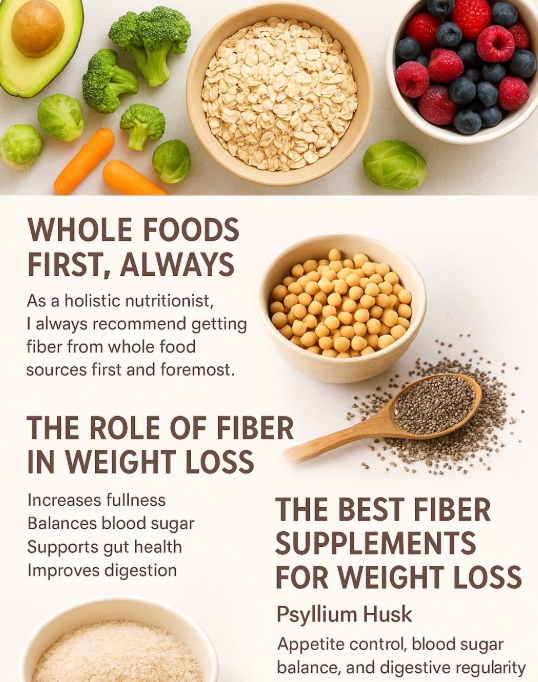
Fiber is a crucial component of functional nutrition, playing a significant role in digestive health and overall well-being. It aids in maintaining a healthy gut microbiome, regulating blood sugar levels, and promoting satiety, which can support weight management efforts.
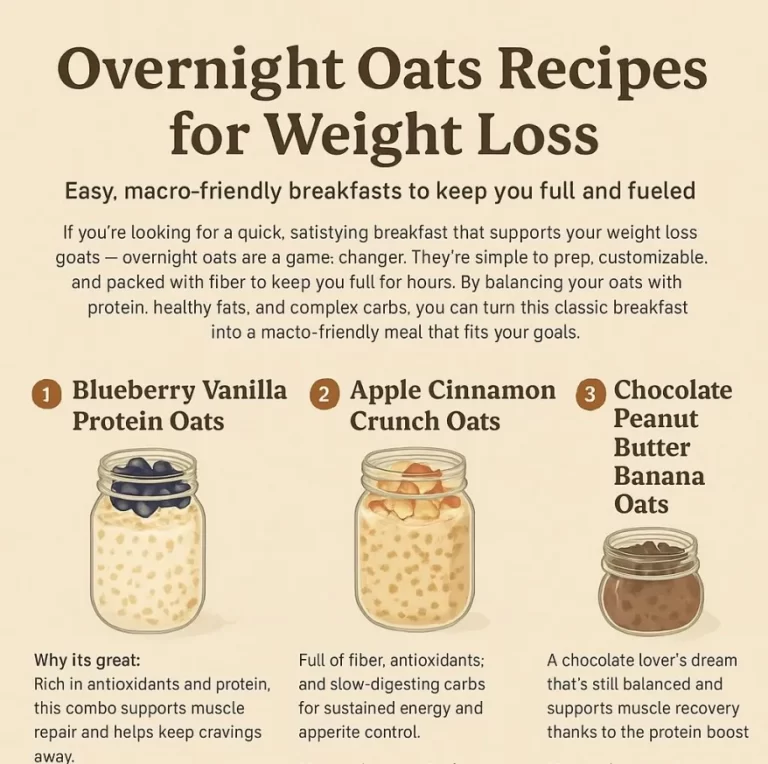
There are two types of fiber: soluble and insoluble. Soluble fiber, found in foods like oats and beans, helps lower cholesterol and stabilize blood sugar levels, while insoluble fiber, present in whole grains and vegetables, promotes regular bowel movements. Incorporating a variety of fiber-rich foods into your diet can enhance your health and support your nutritional goals.
Understanding the Importance of Micronutrients
Micronutrients, including vitamins and minerals, are essential for numerous bodily functions, from immune support to energy production. Unlike macronutrients, which provide energy, micronutrients play critical roles in maintaining health and preventing chronic diseases.
For instance, vitamin C is vital for immune function and skin health, while calcium is crucial for bone strength. A well-rounded diet that includes a diverse array of fruits, vegetables, whole grains, and lean proteins can help ensure you meet your micronutrient needs and promote optimal health.
How to Create Balanced Meal Plans for Optimal Health
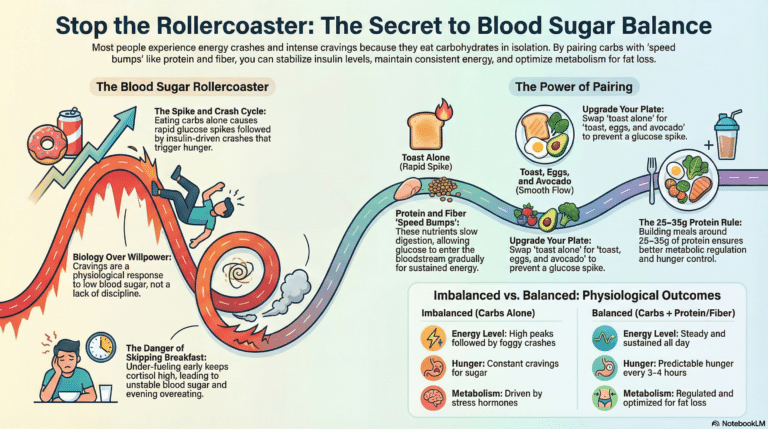
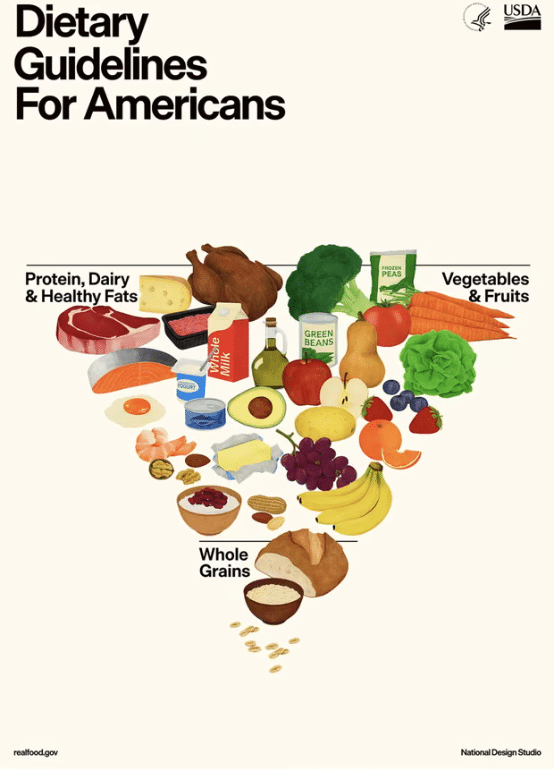
Creating balanced meal plans is a fundamental aspect of functional nutrition, enabling individuals to meet their dietary needs while enjoying a variety of foods. A well-structured meal plan considers macronutrient ratios, portion sizes, and the inclusion of diverse food groups to support overall health.
To create a balanced meal plan, start by assessing your nutritional goals and preferences. Incorporate a mix of proteins, healthy fats, and carbohydrates, and ensure you include plenty of fruits and vegetables. Utilizing meal prep strategies can also make it easier to stick to your plan and maintain healthy eating habits throughout the week.
The Connection Between Nutrition and Mental Health
Nutrition plays a vital role in mental health, influencing mood, cognitive function, and overall emotional well-being. Research has shown that a diet rich in whole foods, including fruits, vegetables, and omega-3 fatty acids, can positively impact mental health and reduce the risk of anxiety and depression.
For example, foods high in antioxidants, such as berries and leafy greens, can combat oxidative stress in the brain, while omega-3 fatty acids found in fish and flaxseeds support brain health. By focusing on nutrient-dense foods, individuals can improve their mental health and enhance their quality of life.