Frequently Asked Questions
What are fermented foods list?
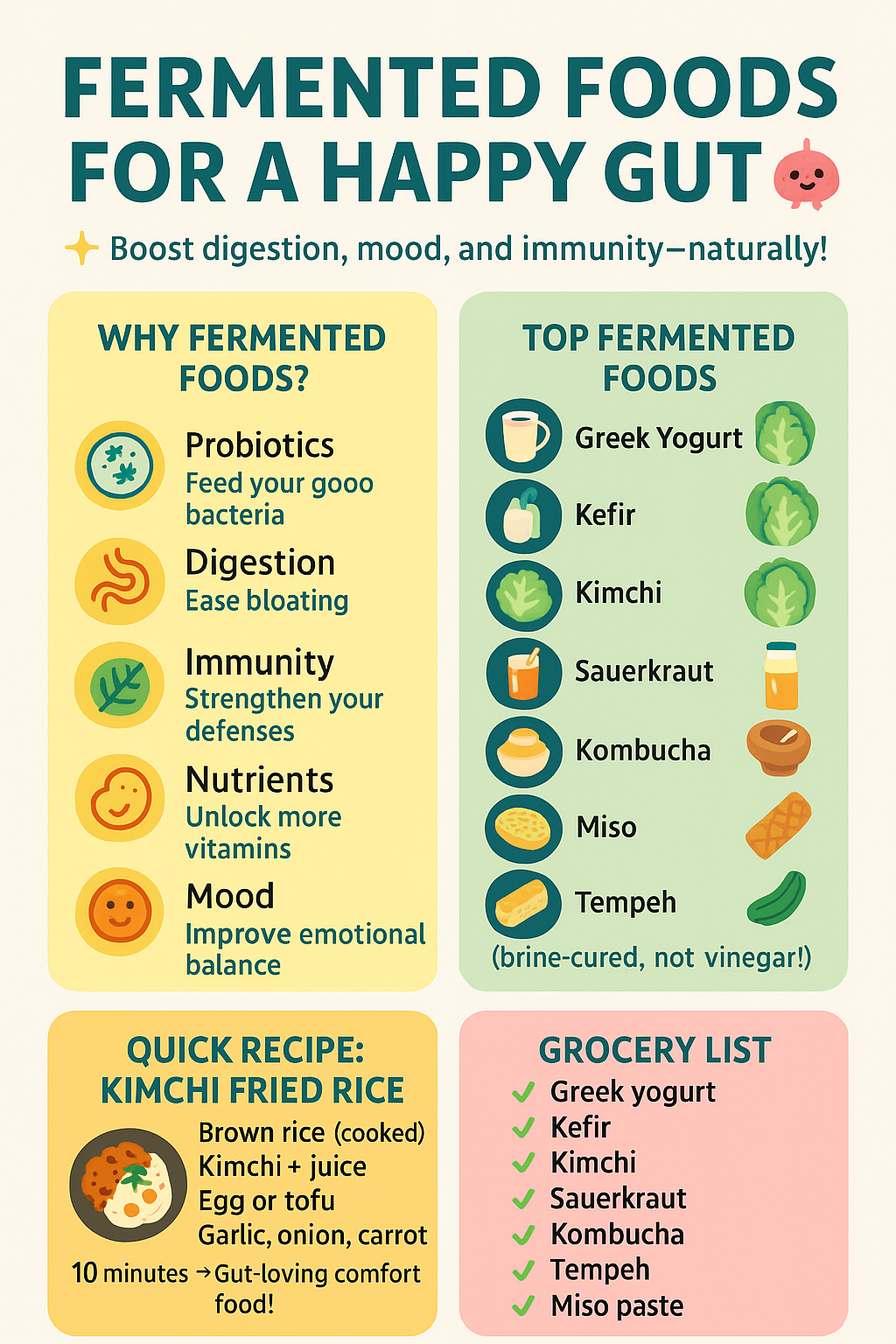
The list of fermented foods includes items such as yogurt, kefir, sauerkraut, kimchi, miso, tempeh, and kombucha. These foods are rich in probiotics, which support gut health and overall wellness.
What are the benefits of fermented foods?
The benefits of fermented foods include improved digestion, enhanced immune function, and increased nutrient absorption. These foods are rich in probiotics, which promote a healthy gut microbiome and can lead to overall better health and well-being.
How do fermented foods improve gut health?
Fermented foods improve gut health by introducing beneficial probiotics, which enhance digestion, balance gut microbiota, and boost the immune system. These foods also aid nutrient absorption and can help alleviate digestive issues, promoting overall gut wellness.
Which fermented foods are best for digestion?
The best fermented foods for digestion include yogurt, kefir, sauerkraut, kimchi, and miso. These foods are rich in probiotics, which promote a healthy gut microbiome and improve overall digestive health.
Can fermented foods boost immunity?
Fermented foods can boost immunity. They are rich in probiotics, which enhance gut health and support the immune system by promoting a balanced microbiome, ultimately helping the body fight off infections and diseases more effectively.
How to incorporate fermented foods into meals?
Incorporating fermented foods into meals can enhance flavor and gut health. Add yogurt or kefir to smoothies, mix sauerkraut into salads, use kimchi as a side dish, or include miso in soups for a nutritious boost.
What is the role of probiotics in fermented foods?
The role of probiotics in fermented foods is to introduce beneficial bacteria that support gut health. These probiotics aid digestion, enhance nutrient absorption, and boost the immune system, contributing to overall well-being.
Are there any risks of eating fermented foods?
The risks of eating fermented foods include potential digestive discomfort, especially for those with sensitivities to histamines or high FODMAPs. It's essential to introduce these foods gradually and consult a healthcare professional if unsure.
How to make homemade fermented foods?
Making homemade fermented foods involves combining fresh ingredients like vegetables or dairy with a starter culture or salt, then allowing them to ferment at room temperature for several days to weeks. Ensure proper hygiene and storage for best results.
What are common types of fermented foods?
Common types of fermented foods include yogurt, kefir, sauerkraut, kimchi, miso, and kombucha. These foods are rich in probiotics, which support gut health and enhance digestion.
How do fermented foods affect gut microbiome?
Fermented foods positively influence the gut microbiome by introducing beneficial probiotics, which enhance microbial diversity, improve digestion, and support overall gut health. This balance can lead to better immunity and reduced inflammation in the digestive system.
What is the fermentation process for foods?
The fermentation process for foods involves the conversion of sugars into acids, gases, or alcohol by microorganisms such as bacteria, yeast, or molds. This natural process enhances flavor, preserves food, and promotes beneficial probiotics for gut health.
How to choose quality fermented foods?
Choosing quality fermented foods involves selecting products that contain live cultures, are made with natural ingredients, and have minimal added sugars or preservatives. Look for items labeled as "raw" or "unpasteurized" to ensure they retain their probiotic benefits.
What fermented foods are high in probiotics?
Fermented foods high in probiotics include yogurt, kefir, sauerkraut, kimchi, miso, and tempeh. Incorporating these foods into your diet can significantly enhance gut health and improve digestion.
How often should I eat fermented foods?
The frequency of consuming fermented foods is important for gut health. Aim to include them in your diet several times a week to reap their digestive and immune-boosting benefits.
What recipes use fermented foods?
Recipes that incorporate fermented foods include kimchi fried rice, sauerkraut salads, yogurt parfaits, and miso soup. These dishes enhance gut health while adding unique flavors and nutrients to your meals.
Can fermented foods help with lactose intolerance?
Fermented foods can be beneficial for those with lactose intolerance. They often contain live bacteria that help break down lactose, making it easier to digest and potentially reducing discomfort associated with dairy consumption.
What is the history of fermented foods?
The history of fermented foods dates back thousands of years, with ancient civilizations using fermentation as a preservation method and for enhancing flavors, leading to the development of staples like yogurt, kimchi, and sauerkraut.
How to store fermented foods properly?
Proper storage of fermented foods is essential for maintaining their flavor and health benefits. Keep them in airtight containers in the refrigerator to slow fermentation and prevent spoilage, ensuring they stay fresh for longer.
What are the signs of good fermentation?
The signs of good fermentation include a pleasant, tangy aroma, visible bubbles, and a change in color or texture. Additionally, the presence of a slightly sour taste indicates that beneficial bacteria are thriving, promoting gut health effectively.
How do fermented foods differ from pickled foods?
Fermented foods differ from pickled foods in that fermentation involves the natural process of bacteria converting sugars into acids, enhancing probiotics, while pickling typically uses vinegar or brine for preservation without promoting live cultures.
What fermented foods are low in sugar?
Fermented foods that are low in sugar include sauerkraut, kimchi, and plain yogurt. These options not only support gut health but also provide beneficial probiotics without the added sugars found in many other fermented products.
How to identify spoiled fermented foods?
Identifying spoiled fermented foods involves checking for off smells, unusual colors, and mold growth. If the texture is excessively slimy or if there’s a significant change in taste, it's best to discard the product.
What are the cultural significance of fermented foods?
The cultural significance of fermented foods lies in their role in traditional diets, preservation methods, and community bonding. They often symbolize heritage, health, and culinary identity across various cultures, showcasing unique flavors and techniques passed down through generations.
How do fermented foods impact mental health?
The impact of fermented foods on mental health is significant. These foods promote a healthy gut microbiome, which can enhance mood and reduce anxiety by producing neurotransmitters like serotonin.
What fermented foods are popular worldwide?
Popular fermented foods worldwide include yogurt, kimchi, sauerkraut, kefir, miso, and tempeh, each offering unique flavors and health benefits that support gut health and overall well-being.
How to introduce fermented foods to children?
Introducing fermented foods to children can be done gradually by incorporating small amounts into familiar dishes, like adding yogurt to smoothies or including sauerkraut in sandwiches. Make it fun by involving them in the preparation process!
What are the best drinks made from fermentation?
The best drinks made from fermentation include kombucha, kefir, and fermented fruit juices. These beverages not only offer unique flavors but also support gut health by providing beneficial probiotics.
How do fermented foods aid in weight loss?
Fermented foods aid in weight loss by enhancing gut health, which improves digestion and nutrient absorption. They also promote a balanced microbiome, potentially reducing cravings and helping to regulate appetite, making it easier to maintain a healthy weight.
What is the nutritional value of fermented foods?
The nutritional value of fermented foods includes a rich source of probiotics, vitamins, and minerals that enhance gut health, improve digestion, and boost immunity. They often contain beneficial enzymes and are lower in sugar than their non-fermented counterparts.