Frequently Asked Questions
What is the glycemic index?
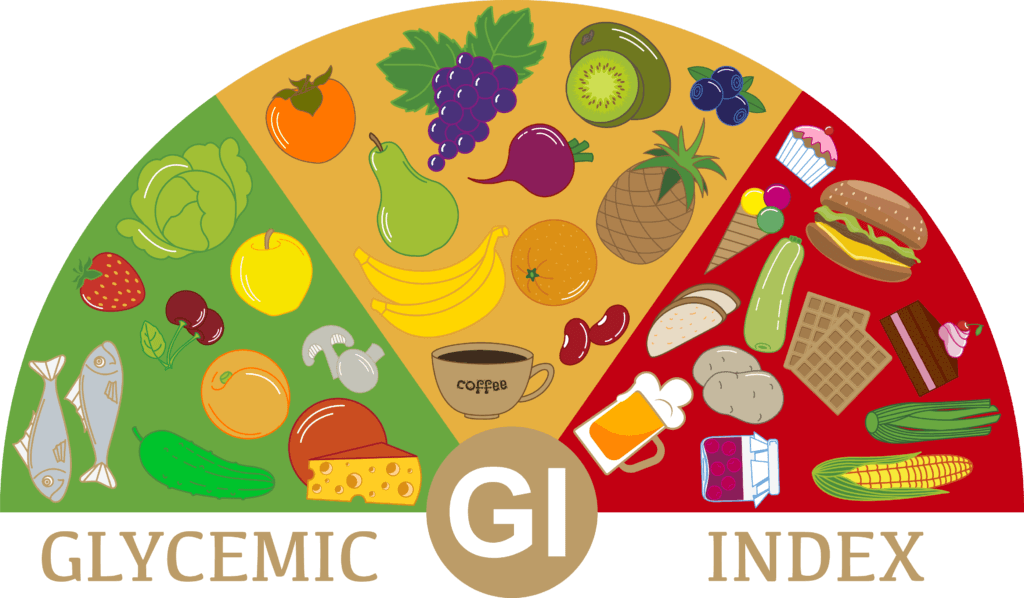
The glycemic index (GI) is a ranking of carbohydrate-containing foods based on their effect on blood sugar levels. Foods with a low GI are digested slowly, leading to more stable blood sugar levels and sustained energy.
What does lower glycemic index mean?
A lower glycemic index (GI) means that a food raises blood sugar levels more slowly and steadily. This can help maintain stable energy levels and improve overall health by reducing spikes in blood sugar.
What is low glycemic index diet?
The low glycemic index diet focuses on consuming foods that have a low GI, which helps regulate blood sugar levels and can improve overall health by providing sustained energy and reducing cravings.
What is the glycemic index of chicken breast?
The glycemic index of chicken breast is effectively zero. This means that chicken breast does not significantly impact blood sugar levels, making it an excellent protein choice for those managing their glycemic response.
What is glycemic index and glycemic load?
The glycemic index (GI) measures how quickly foods raise blood sugar levels, while glycemic load (GL) accounts for both the quality and quantity of carbohydrates in a serving. Together, they help assess the impact of foods on blood sugar management.
How does glycemic index affect blood sugar?
The glycemic index affects blood sugar by ranking foods based on how quickly they raise glucose levels after consumption. Low-GI foods lead to gradual increases in blood sugar, promoting better energy management and overall health.
What foods have a low glycemic index?
Foods that have a low glycemic index include legumes, whole grains, non-starchy vegetables, most fruits, and nuts. These options help maintain stable blood sugar levels and provide sustained energy.
How to calculate glycemic index of foods?
Calculating the glycemic index (GI) of foods involves measuring the blood sugar response after consuming a specific food compared to a reference food, usually glucose or white bread. This is typically done through controlled studies with participants.
What is the role of glycemic load?
The role of glycemic load is to measure the impact of carbohydrate-containing foods on blood sugar levels, considering both the quantity and quality of carbohydrates. It helps individuals make informed dietary choices for better blood sugar management.
How does glycemic index influence weight loss?
The glycemic index influences weight loss by affecting blood sugar levels and hunger. Foods with a low GI promote stable energy levels and reduce cravings, helping individuals manage their calorie intake more effectively.
What are the benefits of low glycemic diets?
The benefits of low glycemic diets include improved blood sugar control, reduced hunger levels, and enhanced energy stability throughout the day, making it easier to maintain a healthy weight and overall well-being.
How to incorporate low glycemic foods daily?
Incorporating low glycemic foods daily involves choosing whole grains, legumes, fruits, and vegetables while minimizing processed sugars. Start meals with low-GI options, snack on nuts or seeds, and pair high-GI foods with low-GI counterparts for balanced energy.
What is the glycemic index of fruits?
The glycemic index of fruits varies widely, generally ranging from low to moderate. Most fruits, especially whole ones, have a low GI, making them beneficial for blood sugar control and overall health.
How does cooking affect glycemic index?
Cooking can significantly alter the glycemic index (GI) of foods. Generally, methods that break down starches, like boiling or baking, can increase the GI, making carbohydrates more quickly absorbable and potentially raising blood sugar levels.
What are the best low glycemic snacks?
The best low glycemic snacks include nuts, seeds, Greek yogurt, hummus with vegetables, and whole grain crackers. These options help maintain stable blood sugar levels while providing essential nutrients and energy.
How to read glycemic index charts?
Reading glycemic index charts involves identifying the numerical values assigned to foods, which indicate their potential to raise blood sugar levels. Foods are categorized as low, medium, or high GI, helping you make informed dietary choices.
What is the glycemic index of whole grains?
The glycemic index of whole grains varies, typically ranging from low to moderate. This means they can help stabilize blood sugar levels and provide sustained energy, making them a healthier carbohydrate choice compared to refined grains.
How does glycemic index relate to diabetes?
The relationship between glycemic index and diabetes is significant: foods with a low glycemic index help regulate blood sugar levels, which is crucial for managing diabetes effectively and reducing the risk of spikes in glucose.
What are high glycemic index foods to avoid?
High glycemic index foods to avoid include white bread, sugary cereals, pastries, and sweetened beverages, as they can cause rapid spikes in blood sugar levels, negatively impacting energy and health.
How to balance glycemic index in meals?
Balancing glycemic index in meals involves combining low-GI foods, such as whole grains and legumes, with moderate-GI options like fruits and vegetables. This approach helps stabilize blood sugar levels and sustain energy throughout the day.
What is the glycemic index of legumes?
The glycemic index of legumes varies, but most legumes have a low GI, typically ranging from 10 to 40. This makes them a great choice for stabilizing blood sugar levels and providing sustained energy.
How does fiber impact glycemic index?
Fiber impacts the glycemic index by slowing down the digestion and absorption of carbohydrates, which helps to stabilize blood sugar levels and reduce spikes in insulin. This makes high-fiber foods generally lower on the glycemic index.
What is the glycemic index of dairy products?
The glycemic index of dairy products varies, with most options being low to moderate. For instance, whole milk has a GI of about 27, while yogurt typically ranges from 20 to 40, making dairy a beneficial choice for blood sugar management.
How to use glycemic index for meal planning?
Using the glycemic index for meal planning involves selecting foods with low to moderate GI values to stabilize blood sugar levels. Incorporate low-GI carbohydrates, such as whole grains and legumes, and pair them with proteins and healthy fats for balanced meals.
What is the difference between glycemic index and load?
The difference between glycemic index and load lies in their measurements. Glycemic index (GI) ranks foods based on how quickly they raise blood sugar, while glycemic load (GL) considers both the GI and the carbohydrate content in a serving, providing a more accurate impact on blood sugar levels.
How does glycemic index affect energy levels?
The glycemic index affects energy levels by determining how quickly carbohydrates are converted into glucose in the bloodstream. Foods with a low GI provide a gradual release of energy, helping to maintain stable energy levels throughout the day.
What are common misconceptions about glycemic index?
Common misconceptions about the glycemic index include the belief that all high-GI foods are unhealthy and that low-GI foods are always healthy. In reality, the overall nutritional value of foods and portion sizes are also crucial for a balanced diet.
How to educate others about glycemic index?
Educating others about the glycemic index involves sharing its importance in managing blood sugar levels and overall health. Use simple visuals, practical examples of low-GI foods, and encourage discussions to promote understanding and application in daily diets.
What is the glycemic index of processed foods?
The glycemic index of processed foods can vary widely. Generally, many processed foods tend to have a higher glycemic index, leading to quicker spikes in blood sugar levels, which can impact overall health and energy management.
How to transition to a low glycemic diet?
Transitioning to a low glycemic diet involves gradually replacing high-GI foods with low-GI alternatives, focusing on whole grains, legumes, fruits, and vegetables while monitoring portion sizes to maintain balanced blood sugar levels.