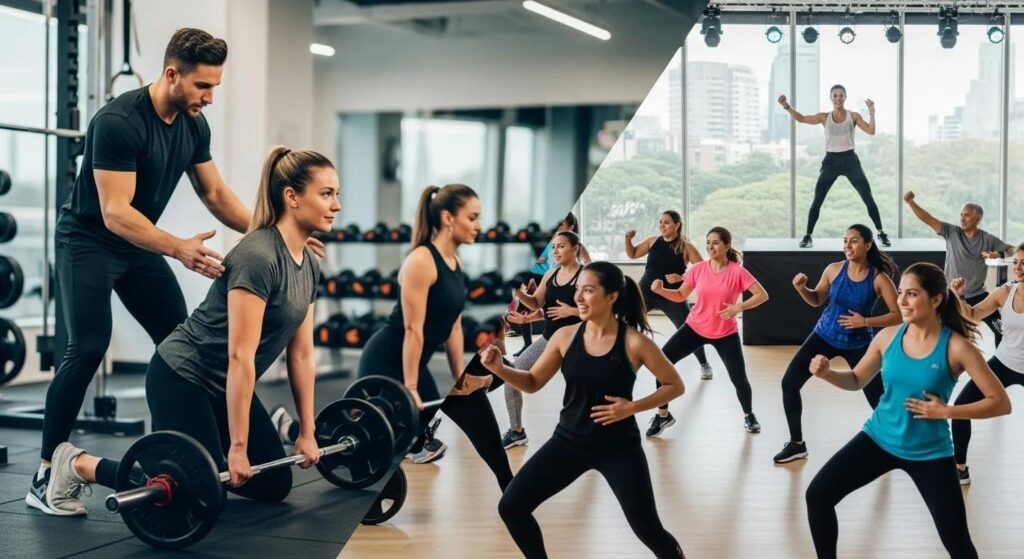
Choosing how you train affects both how fast you reach your goals and how much you enjoy the process. In East Austin we offer one-on-one personal training and small group classes. This guide explains the practical differences, the main benefits of each, and a simple way to match the format to your schedule, goals, and personality. Whether you need focused rehab, want efficient progress, or feed off group energy, this will help you pick the right fit.
What is 1-on-1 personal training — and who benefits most?
1-on-1 personal training pairs you with a certified trainer who builds and runs a program just for you. Sessions center on your movement, limitations, and targets so you train smarter and safer. The value is a plan tuned to where you are now — your fitness level, preferences, and any aches or injuries you want to fix.
What are the key benefits of 1-on-1 personal training?
One-on-one training delivers clear, practical advantages:
- Focused coaching: Your trainer watches form, gives instant corrections, and adjusts sets and loads on the fly.
- Faster, targeted progress: Workouts are designed to move you toward specific goals — no guessing, just intentional progress.
- Lower injury risk: Trainers spot movement faults and add corrective work so you build strength without setbacks.
This focused approach makes 1-on-1 ideal for people with specific performance goals or rehab and medical needs.
Which fitness goals pair best with 1-on-1 training?
One-on-one sessions are especially useful for:
- Rehab and recovery: Corrective progressions that rebuild strength and restore reliable movement patterns.
- Strength and muscle gain: Personalized progressions that target the lifts and muscle groups you want to improve.
- Efficient fat loss: Plans that combine strength, conditioning, and accountability to speed results.
If your goals are specific, personal training helps you focus on what actually produces results and skip the busywork.
What are small group classes — and why do people choose them?
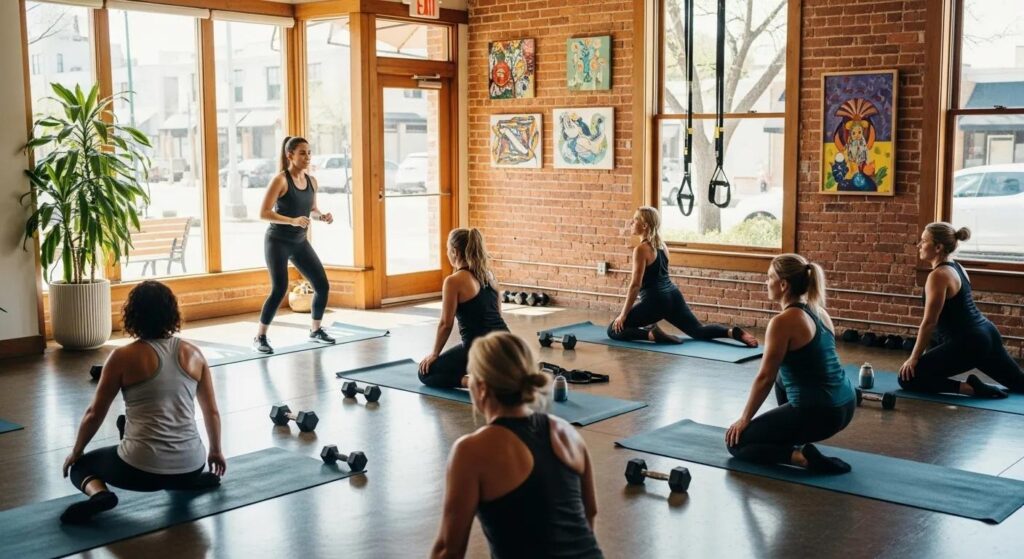
Small group classes (usually 3–10 people) are led by a certified instructor and mix hands-on coaching with community energy. They’re a smart option if you want expert guidance but also enjoy training with others. Small classes balance personalization and social accountability, which helps many people stay consistent.
How do small group classes build motivation and accountability?
Training with others creates a gentle nudge to show up and push yourself. Teammates celebrate wins, and instructors keep everyone safe and on task. That supportive environment makes it easier to push through tough sessions and form habits that stick.
Who should consider small group fitness in East Austin?
Small group classes work well for:
- People with joint pain: Instructors offer modifications so you can train without aggravating sensitive areas.
- Those easing back from injury: The group setting provides encouragement while coaches scale movements appropriately.
- Socially motivated exercisers: If you thrive around others, classes make training more fun and consistent.
With options for different ability levels, small groups are accessible and effective for many clients.
How does RxFit support busy professionals in East Austin with both options?
RxFit is an Austin-based team focused on practical, time-smart fitness for busy people. Our certified trainers come to your home, office, or condo so you don’t waste time commuting. That convenience helps professionals stay consistent without reshuffling their whole day.
How does RxFit deliver personalized and semi-personal training?
We combine thorough assessments with goal-driven programming. Trainers identify imbalances and movement restrictions, then fold corrective work into strength and conditioning plans. With steady coaching, most clients see measurable improvements in weeks — as long as they follow the plan. We prioritize safe progressions, solid technique, and realistic scheduling so gains last.
What makes RxFit’s approach unique for East Austin clients?
RxFit’s approach pairs convenience with a whole-person view of fitness. Our trainers don’t just count reps — they shape sessions around your workday, energy, and life so every visit feels useful and sustainable. That client-first focus is why busy Austinites choose us to stay fit without the hassle.
What should you weigh when choosing between 1-on-1 and small group training?
Choosing the right format comes down to a few practical filters — your goals, budget, schedule, and what actually keeps you motivated. Use those to pick the option that fits your life right now.
How do your fitness goals guide the decision?
Your goals point to the best structure. If you need corrective work or precise strength progressions, 1-on-1 often gets you there faster. If you want general fitness, endurance, or the extra push from peers, small classes deliver efficient, engaging workouts that keep you accountable.
How do budget and cost affect the choice?
Personal training typically costs more because you get the trainer’s full attention. Small group classes spread coaching time across several people, making them more budget-friendly while still offering expert instruction. Decide how much you want to invest and whether you value time, results, or convenience most.
How do personality and schedule influence preference?
Think about whether you prefer focused, private coaching or a social, energetic environment. Also consider when you can train: if your calendar is tight, at-home sessions or flexible class times can be a game changer.
How can a free fitness assessment help you choose the right path?
A free fitness assessment gives you a clear starting point. We evaluate movement, note imbalances, and talk through goals so you leave with a practical recommendation — whether that’s personal training, a small group class, or a blend of both.
What to expect during RxFit’s free assessment in East Austin?
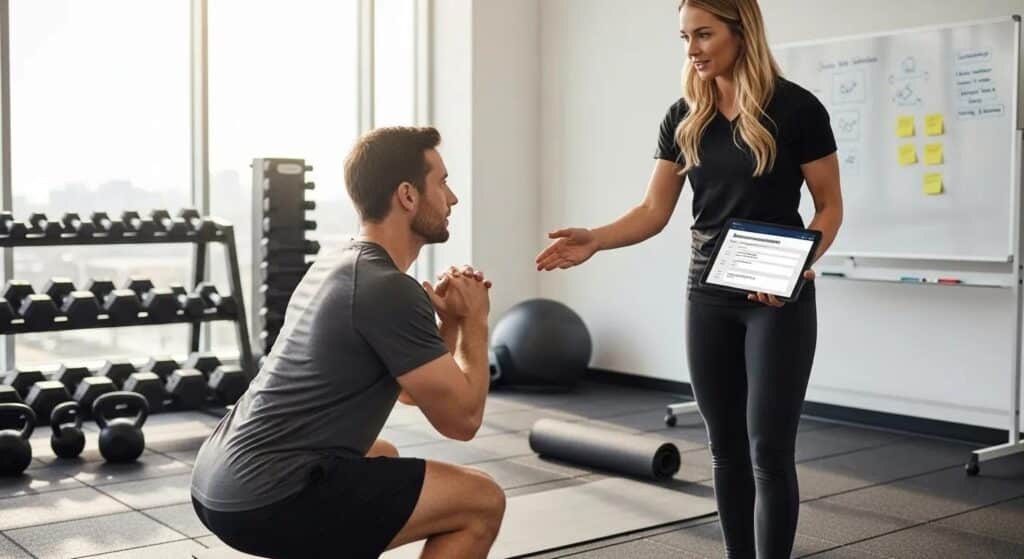
During the free assessment you’ll get a concise, useful evaluation that includes:
- Movement analysis: We watch how you move to spot restrictions and asymmetries.
- Goal setting: We clarify what you want and what’s realistic given your schedule.
- Practical recommendations: You’ll leave with a clear suggestion for one-on-one, small group, or a blended plan based on what we find.
That gives you a practical roadmap instead of guesswork.
How does the assessment match your goals to the right training option?
By identifying movement faults, pain points, and your priorities, the assessment points to the most efficient training path. If corrective work or precise strength gains are needed, we’ll recommend personal sessions. If general conditioning and community better fit your goals, we’ll point you to classes that keep you challenged and motivated.
What do clients say about choosing between 1-on-1 and small group training at RxFit?
Client reviews regularly show both formats produce results — it really depends on the person and the goal.
How have busy professionals benefited from 1-on-1 training?
Many busy clients find faster, steadier progress with one-on-one coaching. They appreciate the focused attention, tailored programming, and efficient sessions that fit their schedules.
What success stories highlight the impact of small group classes?
Small group participants often point to accountability and camaraderie as the biggest wins. Training with peers keeps people showing up, working harder, and enjoying the process — changes that translate to lasting health improvements.
| Training Type | Top Benefits | Best For |
| 1-on-1 Personal Training | Individualized coaching, faster progress, lower injury risk | Those with specific goals, chronic issues, or rehab needs |
| Small Group Classes | Community support, motivation, cost-effective coaching | People who thrive socially and want structured group workouts |
Frequently Asked Questions
Can I switch between personal training and group classes as my needs change?
Yes. Many clients start with personal training to address specific goals or injuries, then move into classes for variety and social motivation. Switching between formats lets your program evolve with your goals and keeps you engaged.
What should I wear to personal training sessions or group classes?
Wear comfortable, breathable clothes that allow full movement. For classes, choose supportive shoes and moisture-wicking fabrics. If you’re unsure, ask your trainer for specific recommendations based on the planned workout.
How can I track my progress in personal training or group classes?
Track progress with a workout log, fitness apps, or regular check-ins with your trainer. Trainers often run assessments to measure strength, endurance, and mobility gains. Consistent tracking keeps you motivated and shows real progress.
Are there age restrictions for participating in personal training or group classes?
There aren’t strict age limits — we work with a wide range of ages. The right program depends on fitness level and health conditions. If you have concerns, talk with a trainer to find a safe, effective plan.
What should I do if I feel overwhelmed in a group class?
Tell the instructor. They’ll offer modifications or alternatives so you can stay comfortable and safe. Everyone progresses at their own pace — it’s fine to scale back and build from there.
How often should I train to see results?
Aim for at least 3–4 sessions per week for noticeable change. Consistency matters most, and frequency should match your goals, recovery needs, and schedule. Your trainer can help tailor a plan that fits.
Can I bring a friend to group classes for support?
Yes — many people train with friends. Check with the instructor first to confirm space and any prerequisites so your friend can join safely.
Can I combine personal training and small group classes for a balanced approach?
Absolutely. A hybrid model — targeted one-on-one work plus group classes for cardio, variety, and community — gives you both precise coaching and the motivation of a group.
What should I consider when scheduling my training sessions?
Think about daily commitments, natural energy peaks, and how often you can realistically train. Match that to trainer and class availability. Consistent, realistic scheduling beats sporadic intensity every time.
How do I know if I need a personal trainer or if I can work out on my own?
Consider your experience, movement quality, and goals. Beginners or people rehabbing injuries usually benefit from a trainer. If you’re confident with technique and program design, solo work can be fine. A free assessment will clarify the best path.
What types of certifications should I look for in a personal trainer?
Look for certifications from reputable organizations like NASM, ACE, or NSCA, plus continuing education in rehab or strength coaching. Experience with clients like you and clear communication are just as important.
How can I maintain motivation in my fitness journey?
Set clear, achievable goals and track progress. Mix training styles to keep things fresh, and consider classes or a training buddy for accountability. Regular coach check-ins help sustain momentum.
What are the benefits of a free fitness assessment?
A free assessment maps your movement strengths and limits, clarifies realistic goals, and gives a tailored recommendation so you start with a plan that actually fits your life.
What are the main differences in cost between 1-on-1 personal training and small group classes?
One-on-one training usually costs more because you get the trainer’s full attention and custom programming. Small group classes split coaching across participants, lowering the per-person price while still delivering professional instruction.
How can I determine which training option is best for my fitness level?
Look at your current fitness, any pain or injuries, and your objectives. Beginners or those rehabbing typically benefit most from personal training. If you already have a base and like training with others, small groups are a motivating, effective option. A free assessment will give a clear recommendation.
Are there specific times when small group classes are more beneficial than personal training?
Small groups shine when consistency and motivation are the priorities. If you struggle to stick to a solo routine, the social environment and scheduled classes will help. They’re also a great value for high-quality coaching at a lower cost.
What types of fitness goals are best suited for small group classes?
Small groups are great for general fitness, cardiovascular health, endurance, and steady weight loss. They’re also effective for mobility and flexibility when coaches include scaled options. If you enjoy training with others, classes sustain long-term progress.
How can I transition from small group classes to 1-on-1 personal training?
Talk to your instructor about your goals and progress. Many clients start in classes and add one-on-one sessions to address weaknesses or speed results. You can keep classes for variety and community while using private sessions for focused work.
What should I look for in a personal trainer when considering 1-on-1 training?
Seek reputable certifications, experience with clients like you, and a coach whose communication style fits your personality. Ask how they track progress, manage injuries, and personalize programs so you feel confident in their support.
Conclusion
Both 1-on-1 training and small group classes move the needle — the right choice depends on your goals, budget, and what keeps you consistent. If you’re unsure, book our free assessment and we’ll recommend a plan that fits your East Austin life. Explore RxFit’s services to find the approach that helps you feel stronger, healthier, and more energized.
