Understanding Low Back Pain
Low back pain is a common condition that affects millions of individuals, often leading to discomfort and limitations in daily activities. Understanding the root causes of low back pain is crucial for effective rehabilitation. Factors such as poor posture, muscle imbalances, and previous injuries can contribute to this condition.
For instance, studies show that approximately 80% of adults will experience low back pain at some point in their lives. This emphasizes the importance of addressing the issue through targeted rehabilitation strategies, which can significantly improve quality of life and functional capabilities.
Corrective Exercises for Rehabilitation
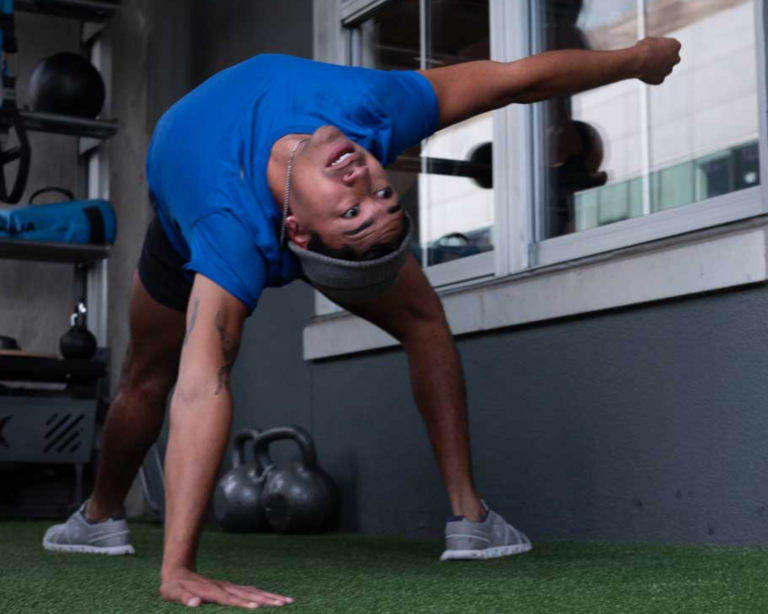
Corrective exercises play a vital role in rehabilitating low back pain by targeting specific muscle groups that may be weak or tight. These exercises are designed to improve strength, flexibility, and overall body mechanics, helping individuals regain their mobility and reduce pain.
Examples of effective corrective exercises include pelvic tilts, bridges, and core stabilization movements. Personal trainers at RxFit can tailor these exercises to fit individual needs, ensuring a comprehensive approach to recovery that promotes long-term success.
Personalized Training Plans
Creating a personalized training plan is essential for anyone looking to rehabilitate low back pain effectively. A customized approach takes into account the individual's unique circumstances, including their fitness level, specific pain triggers, and rehabilitation goals.
At RxFit, trainers work closely with clients to develop training plans that incorporate corrective exercises, strength training, and mobility work. This tailored strategy not only addresses the current pain but also builds resilience against future injuries, ensuring a sustainable path to fitness and wellness.
Benefits of Professional Guidance
Seeking professional guidance from a personal trainer can significantly enhance the rehabilitation process for low back pain. Trainers bring expertise in biomechanics and exercise science, allowing them to provide safe and effective strategies tailored to each client's needs.
Moreover, working with a professional ensures accountability and motivation throughout the recovery journey. Clients benefit from ongoing assessments and adjustments to their training plans, making it easier to stay on track and achieve their rehabilitation goals.