Frequently Asked Questions
What are the worst foods for oxalates?
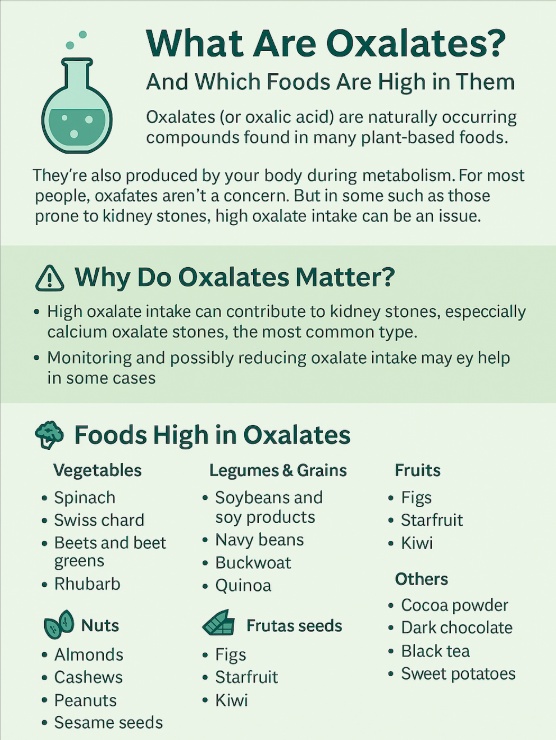
The worst foods for oxalates include spinach, rhubarb, beet greens, and certain nuts like almonds and cashews. These foods can significantly contribute to oxalate levels and may pose health risks for individuals sensitive to oxalates.
Which foods are high in calcium oxalate?
Foods high in calcium oxalate include spinach, rhubarb, beets, nuts (especially almonds), and certain berries like blackberries. Limiting these foods can help manage oxalate intake for better health.
Which foods have oxalates?
Foods high in oxalates include spinach, rhubarb, beets, nuts, and certain berries. These foods can contribute to oxalate accumulation in the body, so it's important to consume them in moderation for a balanced diet.
Why are high oxalate foods bad?
High oxalate foods can be detrimental because they may contribute to the formation of kidney stones and hinder nutrient absorption, particularly calcium. Managing oxalate intake is essential for maintaining overall health and preventing potential complications.
What do high oxalate foods cause?
High oxalate foods can lead to the formation of kidney stones and may contribute to other health issues, particularly for individuals susceptible to oxalate-related conditions. Balancing oxalate intake is essential for maintaining overall health.
What are foods high in oxalate?
Foods high in oxalate include spinach, rhubarb, beets, nuts, chocolate, and certain berries. These foods can contribute to oxalate accumulation in the body, which may impact kidney health for some individuals.
Which foods are high in oxalate?
Foods high in oxalate include spinach, rhubarb, beet greens, nuts (especially almonds and cashews), and certain berries. It's important to monitor intake of these foods if you're concerned about oxalate levels in your diet.
What foods have high oxalate?
Foods that have high oxalate levels include spinach, rhubarb, beets, nuts, and chocolate. These foods can contribute to oxalate accumulation in the body, so it's important to consume them in moderation, especially for those prone to kidney stones.
What is oxalates in food?
Oxalates in food are naturally occurring compounds found in various plant-based foods, which can bind with minerals like calcium and affect their absorption in the body.
What is high oxalate foods?
High oxalate foods are those that contain elevated levels of oxalates, naturally occurring compounds found in various plant foods, which can contribute to health issues like kidney stones in susceptible individuals.
What foods are highest in oxalates?
Foods highest in oxalates include spinach, rhubarb, beet greens, Swiss chard, and certain nuts like almonds and cashews. These foods can contribute significantly to oxalate intake, so it's important to consume them in moderation.
What foods are high in oxalates?
Foods high in oxalates include spinach, rhubarb, beets, nuts, and chocolate. These items can contribute to increased oxalate levels, which may affect certain individuals, particularly those prone to kidney stones.
What foods have high oxalate content?
Foods that have high oxalate content include spinach, rhubarb, beet greens, almonds, and certain varieties of tea. Limiting these foods can help manage oxalate intake for better health.
Which foods are high in oxalates?
Foods high in oxalates include spinach, rhubarb, beets, nuts, and chocolate. These foods can contribute to oxalate accumulation in the body, so it's important to consume them in moderation if you're managing oxalate intake.
What food contain oxalates?
Foods that contain oxalates include spinach, rhubarb, beet greens, nuts, chocolate, and certain berries. It's important to be mindful of these foods if you're managing oxalate intake for health reasons.
What foods contain oxalates?
Foods that contain oxalates include spinach, rhubarb, beet greens, nuts, chocolate, and certain berries. These foods can contribute to oxalate levels in the body, which may be a concern for some individuals.
What foods are high in oxalate?
Foods high in oxalate include spinach, rhubarb, beets, nuts (especially almonds), and certain berries. It's important to moderate these foods if you're concerned about oxalate intake for health reasons.
Why are oxalates bad for you?
Oxalates can be harmful because they may contribute to kidney stone formation and interfere with the absorption of essential minerals, potentially leading to nutritional deficiencies and other health issues.
What are high oxalate foods?
High oxalate foods are those that contain elevated levels of oxalates, which can include spinach, rhubarb, beets, nuts, and certain berries. These foods may pose health risks for individuals prone to kidney stones or certain health conditions.
What are the top 10 high oxalate foods?
The top 10 high oxalate foods include spinach, rhubarb, beets, nuts (especially almonds), chocolate, tea, sweet potatoes, soy products, berries (like blackberries), and Swiss chard.
What foods are high oxalate?
Foods that are high in oxalates include spinach, rhubarb, beets, nuts (especially almonds and cashews), and certain berries like blackberries and raspberries. It's important to be mindful of these foods if you're managing oxalate intake.
What are some high oxalate foods?
High oxalate foods include spinach, rhubarb, beets, nuts, and certain berries. These foods can contribute to increased oxalate levels in the body, which may be relevant for those managing their intake for health reasons.
Which foods have high oxalate?
Foods that have high oxalate include spinach, rhubarb, beet greens, nuts (especially almonds), and certain berries like blackberries. Reducing intake of these foods can help manage oxalate levels in the diet.
What food has oxalates?
Foods that contain oxalates include spinach, rhubarb, beets, nuts, and chocolate. It's important to be aware of these foods when managing oxalate intake for better health.
What food is high in oxalates?
Foods high in oxalates include spinach, rhubarb, beet greens, nuts, and chocolate. It's essential to be mindful of these foods if you're managing oxalate intake for health reasons.
What foods neutralize oxalates?
Foods that neutralize oxalates include calcium-rich options like dairy products, leafy greens, and nuts. These foods can bind to oxalates in the digestive tract, reducing their absorption and potential health impacts.
What are common symptoms of oxalate sensitivity?
Common symptoms of oxalate sensitivity include abdominal pain, kidney stones, joint pain, and gastrointestinal issues such as bloating or diarrhea. These symptoms can vary in intensity and may arise after consuming high-oxalate foods.
How can I reduce oxalate intake effectively?
Reducing oxalate intake effectively involves choosing lower-oxalate foods, cooking methods that minimize oxalate levels, and balancing your diet with calcium-rich foods, which can help bind oxalates and reduce absorption.
Which fruits are low in oxalates?
Fruits that are low in oxalates include bananas, blueberries, strawberries, and melons. Incorporating these options can help maintain a balanced diet while managing oxalate intake effectively.
What cooking methods lower oxalate levels?
Cooking methods that lower oxalate levels include boiling, steaming, and soaking. These techniques help to leach out oxalates from foods, making them a better choice for those looking to manage their oxalate intake.