Starting a fitness journey is exciting — and a little nerve‑wracking. Knowing what will happen at your first consultation makes everything easier. This guide walks you through meeting an East Austin trainer: why the consultation matters, the assessments we’ll run, how we build a plan that fits your life, and what to bring. You’ll also get a quick intro to the trainers at RxFit.
Why the First Consultation in East Austin Matters
The first personal trainer consultation is where we build the foundation. It’s how your trainer learns your goals, health background, and daily routine so the program actually fits you. Think of it as a focused conversation that leads to a clear, realistic plan you can stick with.
What Happens During a Fitness Consultation?
Expect a direct conversation about your goals, medical history, and previous fitness experience, then a few basic assessments. Your trainer will ask targeted questions to understand what motivates you and where you’ve struggled before. That information shapes a plan that’s realistic, measurable, and motivating.
How RxFit’s In‑Home Consultation Helps Busy Professionals
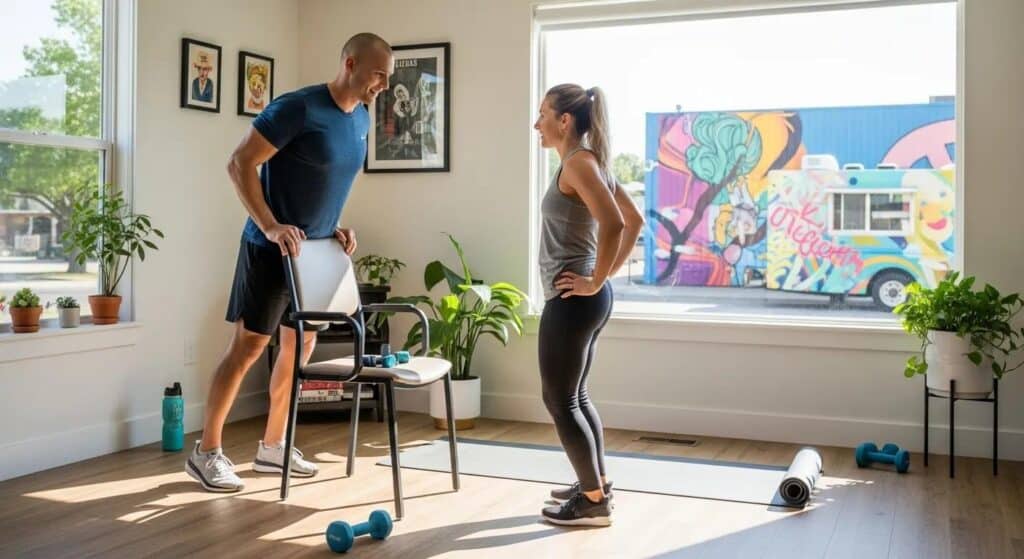
For people with full schedules, RxFit brings the consultation to your home — no commute required. We can observe how you move in your own space, recommend equipment or modifications, and build routines that slot into your week. That makes consistency easier and more practical.
Key Steps in Your First Fitness Assessment with an East Austin Trainer
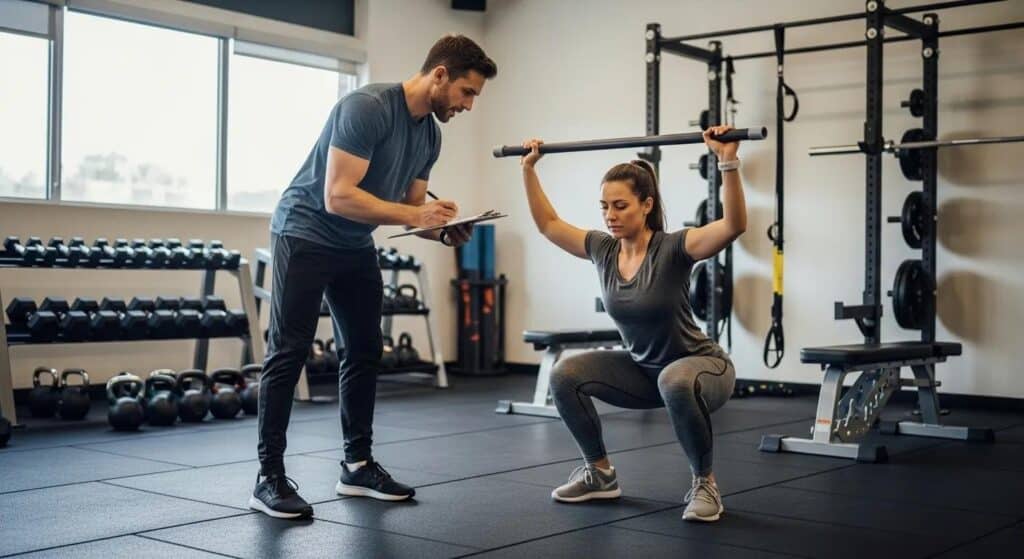
Your first assessment follows a clear sequence so both you and your trainer get a complete picture of where to start and how to progress.
We follow industry standards to make sure assessments are thorough, useful, and safe.
ACSM Guidelines for Fitness Assessment & Exercise Prescription
We thank the editors of the ninth edition of ACSM’s Guidelines for Exercise Testing and Prescription for permitting use of materials included in ACSM’s health-related physical fitness assessment manual (2013).
How We Review Your Health History and Lifestyle
The health history conversation is central. Trainers ask about medical conditions, medications, sleep, stress, work habits, and past injuries. That context helps us design a safe program that fits your life and reduces the chance of setbacks.
How Trainers Help You Set Clear Fitness Goals
We use practical goal‑setting—often SMART goals (Specific, Measurable, Achievable, Relevant, Time‑bound)—so your targets are clear and measurable. That keeps progress visible and motivation up.
What Movement Screening and Physical Assessment Look Like
Movement screening checks range of motion, basic strength, and mobility to spot limitations or muscle imbalances. These simple tests guide exercise choice and help prevent common issues from developing.
Is Body Composition Analysis Included?
Body composition testing—measuring body fat and lean mass—may be part of the consultation. Those numbers give useful context for setting goals and tracking progress, especially when paired with performance measures.
Will There Be a Light Introductory Workout?
Most consultations include a short, easy workout so you can feel our coaching style and the trainer can observe how you move under load. It’s low pressure and helps set realistic next steps.
How RxFit’s East Austin Trainers Build Your Personalized Plan
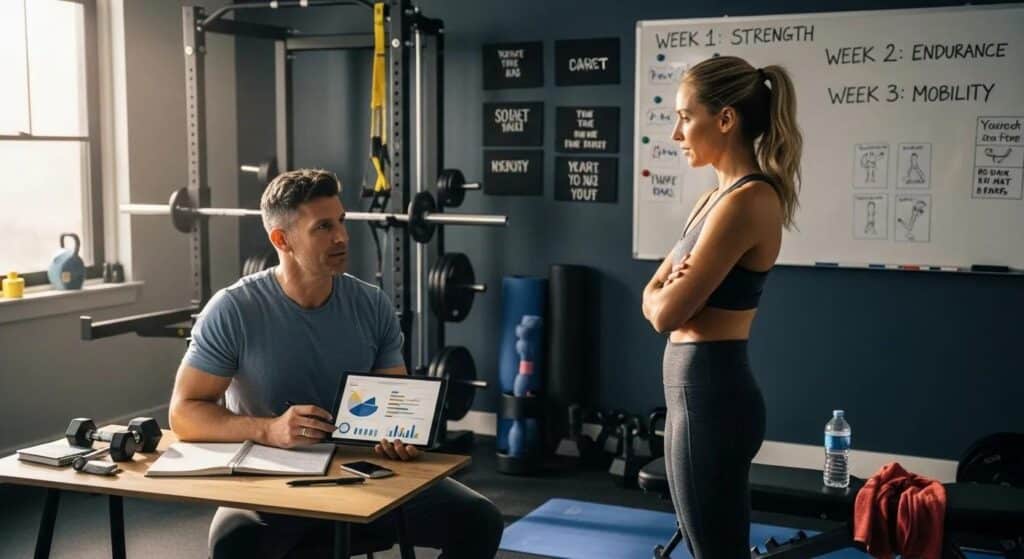
RxFit trainers combine your assessment results, goals, and weekly schedule to create a plan that’s both effective and sustainable. We prioritize progress that fits your life so you keep moving forward without burning out.
Research and experience show exercise programs work best when they adapt to the individual’s changing needs.
Tailoring Exercise Programs: Individualized Fitness Plans
Each person and each condition requires a specific exercise program. A working diagnosis and rehabilitation plan should be tailored to the individual. A structured approach should remain flexible as symptoms and needs change.
Principles of rehabilitation, 1997
What Training Programs Does RxFit Offer After Your Consultation?
After your consultation, RxFit will recommend pathways like strength training, conditioning, and mobility work — often blended into a balanced program. Your trainer will explain which approach best matches your goals and timeline.
How Your Plan Is Designed Around Your Life
Plans match your schedule, preferences, and any barriers you face. That means practical at‑home homework, realistic session frequency, and simple progress checks so fitness becomes part of your routine, not another stressor.
How to Prepare for Your First Personal Trainer Meeting
Showing up prepared makes the consultation more useful and gets you closer to results.
What Documents and Information to Bring
Bring relevant medical records, previous fitness tests, or notes on past injuries. Also bring a short list of goals and questions so your trainer can focus on what matters most to you.
What to Wear for Your Fitness Assessment
Wear comfortable clothes that let you move freely and supportive shoes if you have them. The goal is to be relaxed and able to perform basic movements without restriction.
Who the East Austin Trainers at RxFit Are and What Sets Them Apart
The trainers at RxFit are committed professionals with backgrounds in strength training, corrective exercise, and nutrition.
Certifications and Expertise at RxFit
Our trainers hold certifications in personal training, corrective exercise, and nutrition coaching. That mix helps them design programs that are safe, effective, and tailored to your needs.
How RxFit Supports Busy Professionals in East Austin
We offer flexible scheduling, in‑home sessions, and focused plans that respect your time. The aim is steady progress without adding stress to your week.
For real client feedback, check out our testimonials.
Common Questions About Your First Fitness Consultation
- How do I add corrective exercises to my routine?
- When can I expect to see progress from corrective work?
- How do corrective exercises help with injury recovery?
- What are the core principles of corrective exercise?
- Are there specific routines for elbow pain relief?
- How can I strengthen my elbow joints safely?
- What are the best recovery methods for joint issues?
- Does age change how my joints feel after exercise?
- How does weightlifting affect elbow health?
- What common mistakes cause joint pain?
- Can bad form cause elbow pain?
- How long does elbow pain usually last?
- When should I see a doctor about pain?
- Can stretching reduce post‑workout joint pain?
- How does hydration influence joint health?
- What role does a warm‑up play in preventing pain?
- Can physical therapy help with elbow problems?
- What lifestyle changes improve joint health?
- How does nutrition affect joint pain?
- What are the benefits of low‑impact exercise?
How Long Does the Free Fitness Assessment Take?
The free fitness assessment typically takes about 60 minutes. You’ll discuss goals, complete assessments, and try a short guided workout.
Do Trainers Run Assessments in the First Session?
Yes — while the first session focuses on conversation and planning, trainers usually run initial assessments to determine the right starting point for your program.
What Happens After the Consultation?
After your consultation you’ll get clear next steps: a customized plan, guidance on corrective exercises if needed, and a timeline for progress. Many clients notice improvements within 4–6 weeks with consistent effort. The goal is steady, measurable change based on your movement patterns and needs.
| Step | Description | Purpose |
| Health History Review | Discuss medical background and lifestyle | Identify potential limitations |
| Goal Setting | Define SMART goals | Ensure clarity and motivation |
| Movement Screening | Assess physical capabilities | Tailor training program |
| Body Composition Analysis | Measure fat and muscle mass | Inform fitness planning |
This table summarizes the main steps of your first assessment and why each matters for building a personalized plan.
Frequently Asked Questions
What Should I Bring to My First Consultation?
Bring any relevant medical records, recent fitness tests, and notes on past injuries. Also jot down your goals and a few questions for your trainer. Being prepared makes the consultation focused and productive.
How Do I Know If a Personal Trainer Is Right for Me?
Look for trainers with relevant certifications, experience with your goals, and good communication. During your consultation, notice how well they listen and how clearly they explain next steps. A good fit feels supportive and practical.
What If I Have Dietary Restrictions or Preferences?
Tell your trainer about dietary needs during the consultation. RxFit trainers can offer nutrition guidance that respects restrictions and supports your goals, and we’ll bring in nutrition specialists if your plan needs it.
Can I Train with a Friend or Family Member?
Yes — many RxFit trainers offer partner sessions. Training with someone else can boost motivation and accountability. Discuss logistics and goals with your trainer to tailor the session for both of you.
What Happens If I Miss a Scheduled Session?
If you miss a session, contact your trainer as soon as possible. Most trainers have policies around rescheduling or fees. Open communication helps maintain progress and keeps your plan on track.
How Can I Stay Motivated Throughout My Training?
Set clear, achievable goals and track progress. Regular check‑ins with your trainer provide accountability and encouragement. Varying workouts and celebrating small wins also help keep things fresh.
What Should I Do If I Experience Pain During a Workout?
If you feel pain, stop and tell your trainer immediately. Pain can signal poor form or an underlying issue; your trainer will modify the exercise or switch movements to keep you safe while you progress.
What Should I Expect in Terms of Communication with My Trainer?
Expect open, regular communication. Your trainer will ask for feedback, explain progress, and update your plan as needed. We treat the relationship as a partnership where your input matters.
How Can I Track My Progress After the Initial Consultation?
We track progress with periodic reassessments, measurements, and check‑ins. You can also use a training log or app to record workouts and notes. Regular reviews make it easy to celebrate wins and adjust the plan.
What If I Have Specific Health Concerns or Limitations?
Tell your trainer about any health issues during the consultation. Trainers will adapt exercises, offer safe regressions, and coordinate with healthcare providers when needed to keep your program effective and safe.
Are There Any Additional Costs Associated with Personal Training?
The initial consultation may be free, but specialized services—like advanced testing, nutrition coaching, or extra sessions—can carry additional fees. We recommend discussing pricing up front so there are no surprises.
How Often Should I Schedule Sessions with My Trainer?
Frequency depends on your goals and schedule. Many clients train 1–3 times per week. Your trainer will recommend a cadence that balances progress with recovery and fits your life.
What Should I Do If I Feel Uncomfortable During a Session?
Your comfort and safety come first. If something feels off, tell your trainer immediately. They’ll modify the exercise or swap movements so you stay safe and confident.
Can I Change Trainers If I Feel It’s Not a Good Fit?
Absolutely. A good trainer‑client fit matters. If the pairing isn’t right, RxFit will help you find someone better suited to your style and goals.
Conclusion
Starting with a personal trainer in East Austin can speed up progress and keep you safe while you build new habits. The initial consultation sets a clear direction, assesses your needs, and results in a plan that fits your life. With RxFit, you’ll work with experienced trainers who focus on what matters to you. Ready to get started? Schedule your free consultation today!
