Effective Strategies for Injury Prevention in Fitness
Injury prevention is crucial for anyone engaged in fitness, whether a beginner or a seasoned athlete. By implementing strategic approaches, individuals can significantly reduce the risk of injuries during workouts. These strategies include proper warm-up routines, understanding body mechanics, and incorporating flexibility training to enhance overall movement efficiency.
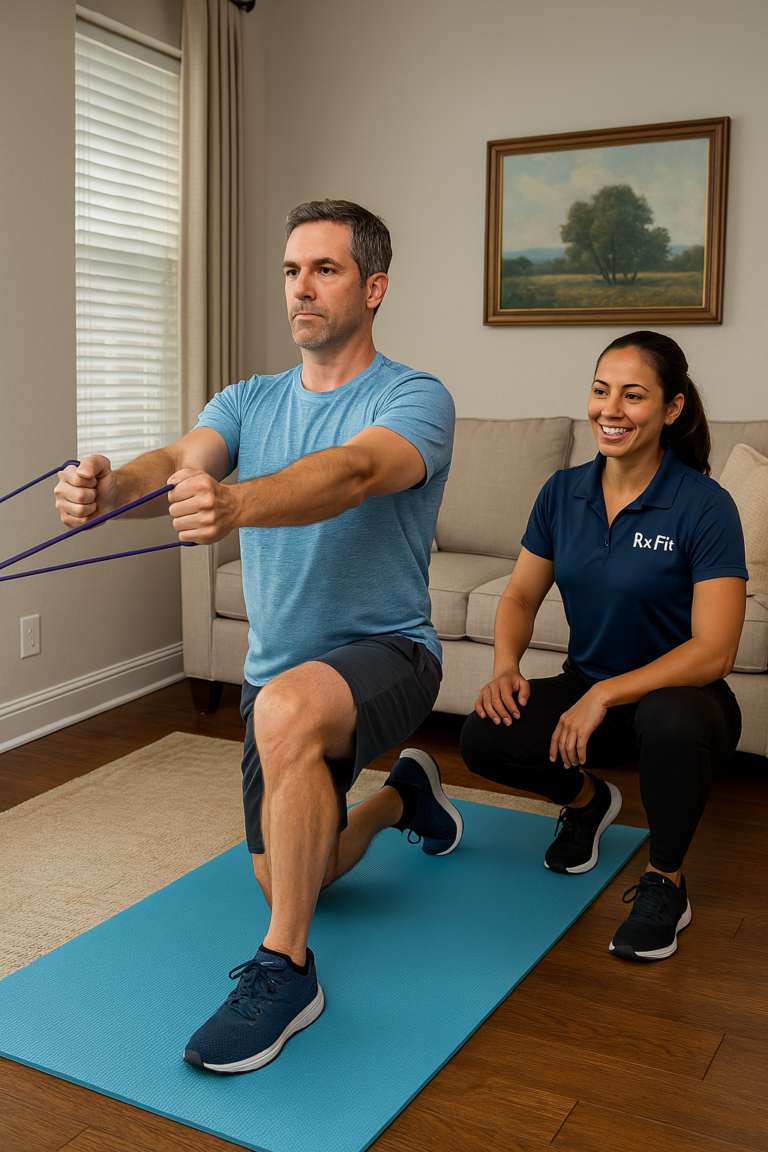
For instance, dynamic stretching before workouts prepares the muscles and joints for activity, while strength training can help stabilize vulnerable areas. Additionally, seeking guidance from certified personal trainers can provide tailored injury prevention techniques that cater to individual needs, ensuring a safer fitness journey.
The Importance of Nutrition in Personal Training
Nutrition plays a vital role in achieving fitness goals, making it a key component of any personal training program. Proper dietary choices provide the energy necessary for workouts, aid in recovery, and support overall health. A well-balanced diet, rich in proteins, healthy fats, and carbohydrates, is essential for fueling workouts and enhancing performance.
Moreover, understanding macronutrient ratios and meal timing can further optimize results. For example, consuming protein-rich meals post-workout can aid muscle recovery, while incorporating complex carbohydrates can sustain energy levels throughout the day. Personal trainers often provide nutritional guidance to help clients align their eating habits with their fitness objectives.
How to Choose the Right Personal Trainer for Your Goals
Selecting the right personal trainer is crucial for achieving your fitness aspirations. Factors such as their qualifications, experience, and training style should align with your specific goals, whether that’s weight loss, muscle gain, or rehabilitation. It’s beneficial to schedule consultations with potential trainers to discuss their approach and ensure compatibility.
Additionally, consider trainers who specialize in areas relevant to your needs, such as sports performance, corrective exercise, or nutrition. Reading reviews and testimonials can also provide insights into their effectiveness. Ultimately, a good personal trainer should inspire motivation and tailor their programs to foster your success.
Understanding the Role of Recovery in Fitness
Recovery is an often-overlooked aspect of fitness that is essential for long-term success. Adequate recovery allows the body to repair and strengthen itself after workouts, preventing burnout and injuries. This includes not only rest days but also practices such as stretching, foam rolling, and hydration.
Incorporating recovery strategies into your fitness routine can enhance performance and promote overall well-being. For instance, active recovery, such as light walking or yoga, can improve blood flow and flexibility. Additionally, prioritizing sleep and nutrition during recovery phases can significantly impact your training outcomes, ensuring you’re always ready for the next challenge.