Essential Tips for Effective Warm-Up Routines
Warming up before any workout is crucial for preparing your body for physical activity and reducing the risk of injury. A well-structured warm-up routine increases blood flow to the muscles, raises your heart rate, and improves flexibility, ensuring that your body is ready for the demands of exercise.
Incorporating dynamic stretches and mobility exercises into your warm-up can enhance performance. For instance, leg swings, arm circles, and torso twists are effective ways to engage the muscles you'll be using during your workout. Aim for a warm-up duration of at least 5-10 minutes to maximize benefits.
Nutrition Tips for Optimal Fitness Performance
Nutrition plays a vital role in supporting your fitness goals, whether you're aiming to build muscle, lose weight, or improve endurance. A balanced diet rich in macronutrients—proteins, carbohydrates, and fats—provides the energy needed for workouts and aids in recovery afterward.
For example, consuming a protein-rich snack post-workout can help repair muscles and promote growth. Foods like Greek yogurt, protein shakes, or a turkey sandwich are excellent choices. Additionally, staying hydrated is essential; aim to drink plenty of water before, during, and after your workouts to maintain peak performance.
Understanding Recovery: Why Rest Days Matter
Recovery is an often-overlooked aspect of any fitness regimen, yet it is essential for long-term success. Rest days allow your muscles to repair and grow stronger, preventing overtraining and reducing the risk of injury. A well-planned recovery strategy can enhance your overall performance and keep you motivated.
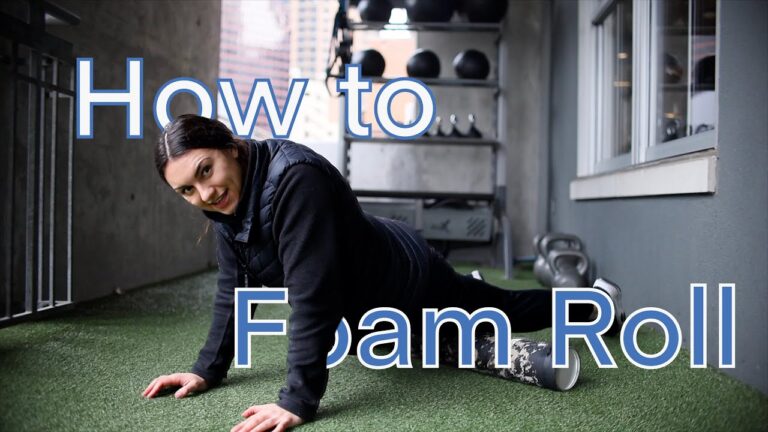
Incorporating active recovery techniques, such as light walking or yoga, can help maintain blood flow and flexibility without putting stress on your body. Additionally, consider practices like foam rolling and stretching to alleviate muscle tightness and improve mobility on recovery days.
Common Fitness Myths Debunked
There are numerous myths surrounding fitness that can hinder progress and lead to confusion. Understanding the facts behind these misconceptions is crucial for anyone embarking on a fitness journey. For instance, many believe that lifting weights will make them bulky; however, strength training is essential for building lean muscle and boosting metabolism.
Another common myth is that cardio is the only way to lose weight. While cardiovascular exercise is beneficial, incorporating strength training can significantly enhance fat loss and improve body composition. Educating yourself on these myths can empower you to make informed fitness choices and achieve your goals more effectively.