Are You Eating These Toxic Fats?
Are seed oils sabotaging your health? Learn why these processed fats fuel inflammation, weight gain, and chronic disease—plus discover the best healthy fats to use instead!

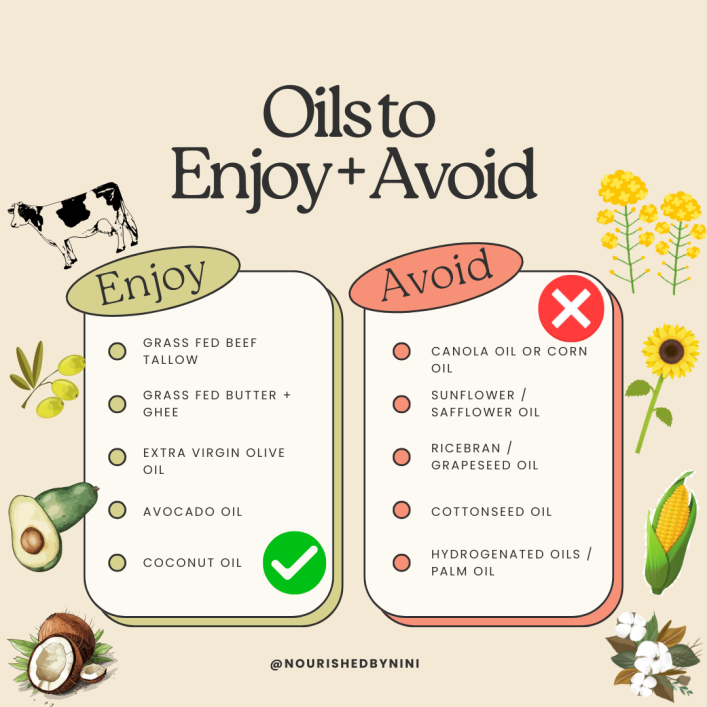
Are seed oils sabotaging your health? Learn why these processed fats fuel inflammation, weight gain, and chronic disease—plus discover the best healthy fats to use instead!
Seed oils, commonly found in processed foods, can have detrimental effects on your health. These oils, often high in omega-6 fatty acids, can lead to increased inflammation and a higher risk of chronic diseases such as heart disease and obesity.
Research indicates that the excessive consumption of seed oils can disrupt the balance of omega-3 to omega-6 fatty acids in the body, contributing to inflammation. For instance, a study published in the American Journal of Clinical Nutrition highlights the correlation between high seed oil intake and inflammatory markers in the body.
When it comes to cooking and nutrition, opting for healthier fat alternatives can significantly improve your dietary habits. Fats like olive oil, coconut oil, and avocado oil not only enhance flavor but also provide essential nutrients that support overall health.
For example, olive oil is rich in monounsaturated fats and antioxidants, making it a heart-healthy choice. Coconut oil contains medium-chain triglycerides (MCTs) that can boost metabolism and provide quick energy. Incorporating these fats into your meals can help you maintain a balanced diet.
Understanding the difference between saturated and unsaturated fats is crucial for making informed dietary choices. Saturated fats, often found in animal products, can raise cholesterol levels, while unsaturated fats, found in plant-based oils and nuts, are beneficial for heart health.
Health organizations recommend replacing saturated fats with unsaturated fats to lower the risk of heart disease. For instance, the American Heart Association suggests using olive oil instead of butter to enhance heart health while still enjoying flavorful meals.
Transitioning to healthier fats can be a simple yet impactful change in your diet. Start by gradually replacing seed oils with healthier options in your cooking and meal preparation, making it easier to adjust your palate over time.
Additionally, educating yourself about reading food labels can help you avoid products high in unhealthy fats. Look for terms like "partially hydrogenated oils," which indicate the presence of trans fats, and opt for whole, unprocessed foods whenever possible.