Understanding the Role of Functional Nutrition in Health
Functional nutrition focuses on the individual, considering their unique health needs and lifestyle to provide tailored dietary recommendations. This approach goes beyond traditional nutrition by addressing the root causes of health issues rather than just treating symptoms.
For example, a functional nutritionist may analyze a person's gut health, hormonal balance, and lifestyle factors to create a personalized meal plan that enhances overall well-being. This holistic perspective empowers individuals to make informed choices that support long-term health and vitality.
The Importance of Meal Prep in Achieving Nutritional Goals
Meal prep is a crucial strategy for anyone looking to maintain a healthy diet amidst a busy lifestyle. By preparing meals in advance, individuals can save time, reduce stress, and ensure they have nutritious options readily available, making it easier to stick to their dietary goals.
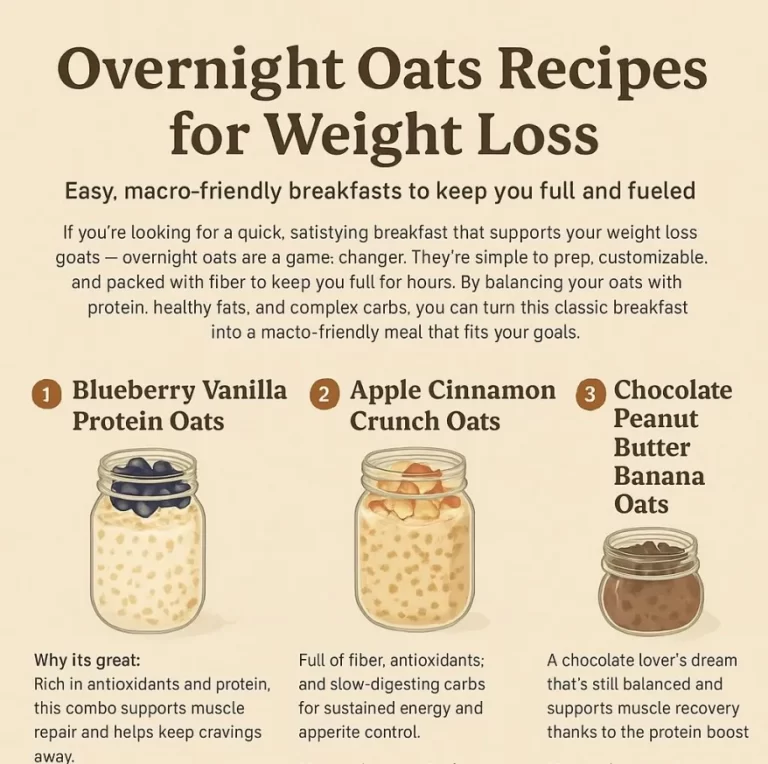
For instance, planning and preparing meals for the week can help avoid last-minute unhealthy choices. Incorporating a variety of whole foods and balanced macronutrients into meal prep can significantly enhance energy levels and overall health, making it an essential practice for fitness enthusiasts and busy professionals alike.
Exploring the Connection Between Nutrition and Mental Health
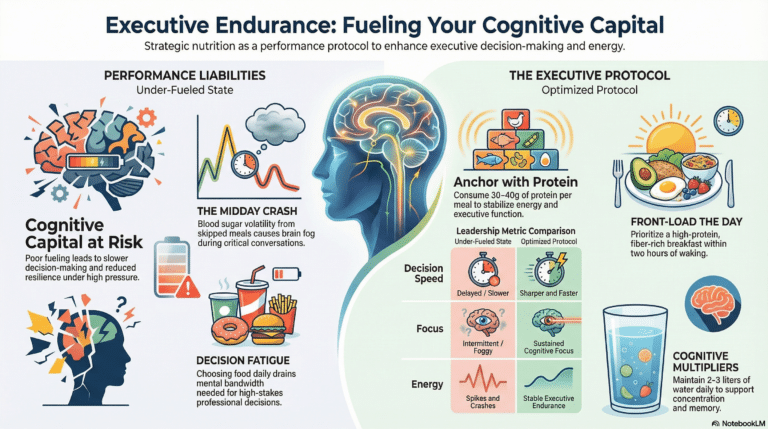
Nutrition plays a vital role in mental health, influencing mood, cognitive function, and overall emotional well-being. Research has shown that a balanced diet rich in essential nutrients can help alleviate symptoms of anxiety and depression, promoting a healthier mind.
For example, foods high in omega-3 fatty acids, such as fatty fish and walnuts, have been linked to improved mood and cognitive performance. By understanding the connection between what we eat and how we feel, individuals can make dietary choices that support both their physical and mental health.
Common Misconceptions About Nutrition and Fitness
Many misconceptions surround nutrition and fitness, leading individuals to adopt ineffective or even harmful practices. Addressing these myths is crucial for empowering people to make informed decisions about their health and fitness journeys.
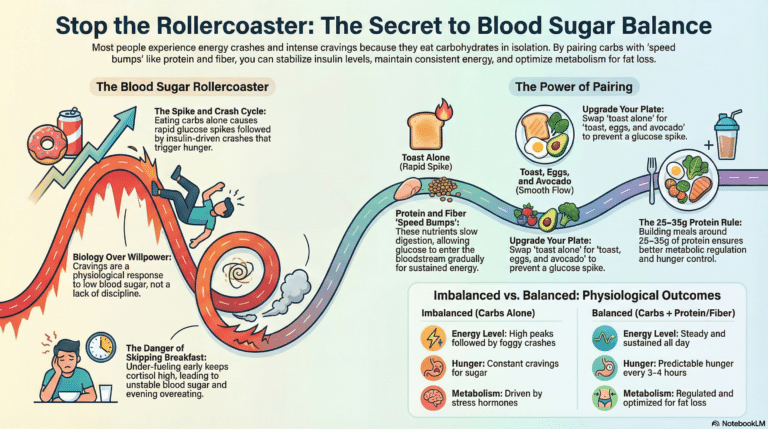
For instance, the belief that all carbohydrates are bad can lead to unnecessary dietary restrictions. In reality, complex carbohydrates are essential for energy and overall health. By debunking these myths and providing clear, science-backed information, individuals can navigate their nutrition and fitness goals more effectively.