The Role of Protein in Muscle Development
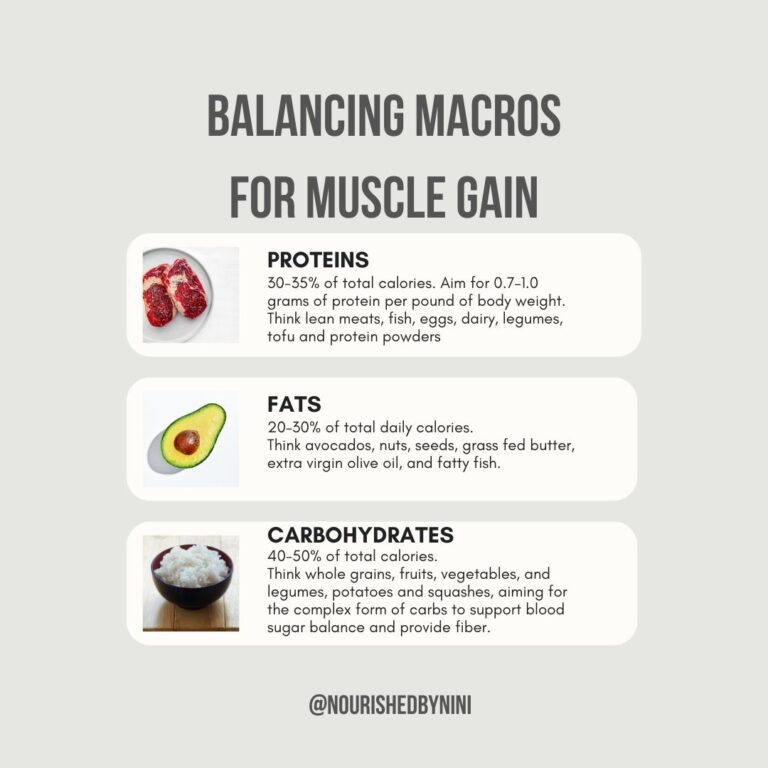
Protein is a crucial macronutrient for muscle development, as it provides the building blocks necessary for muscle repair and growth. Adequate protein intake stimulates muscle protein synthesis, which is essential for anyone looking to increase their muscle mass.
Sources of high-quality protein include lean meats, dairy products, legumes, and plant-based proteins. For optimal muscle gain, it is recommended to consume protein-rich meals and snacks throughout the day, ideally spaced out to support continuous muscle repair and growth.
Carbohydrates: The Energy Source for Workouts
Carbohydrates serve as the primary energy source for high-intensity workouts, making them vital for anyone focused on muscle gain. They help replenish glycogen stores in muscles, which is crucial for sustained energy during training sessions.
Complex carbohydrates such as whole grains, fruits, and vegetables are ideal for athletes and fitness enthusiasts. Incorporating these into your diet not only fuels workouts but also aids in recovery post-exercise by providing essential nutrients and energy.
Healthy Fats for Hormonal Balance
Fats play an essential role in hormonal balance, which is vital for muscle growth and overall health. Healthy fats support the production of hormones such as testosterone, which can influence muscle mass and strength.
Incorporating sources of healthy fats, such as avocados, nuts, seeds, and olive oil, can enhance nutrient absorption and provide sustained energy. A balanced intake of fats is necessary to maintain optimal performance and recovery while pursuing muscle gain goals.
Creating a Balanced Meal Plan for Muscle Gain
Designing a balanced meal plan tailored for muscle gain involves understanding the right proportions of protein, carbohydrates, and fats to support your fitness goals. A well-structured meal plan ensures that your body receives the necessary nutrients to fuel workouts and enhance recovery.
To create an effective meal plan, consider your daily caloric needs, workout intensity, and personal preferences. Meal prepping can also help maintain consistency, making it easier to stay on track with your macronutrient goals while enjoying a variety of foods.