Understanding Body Recomposition
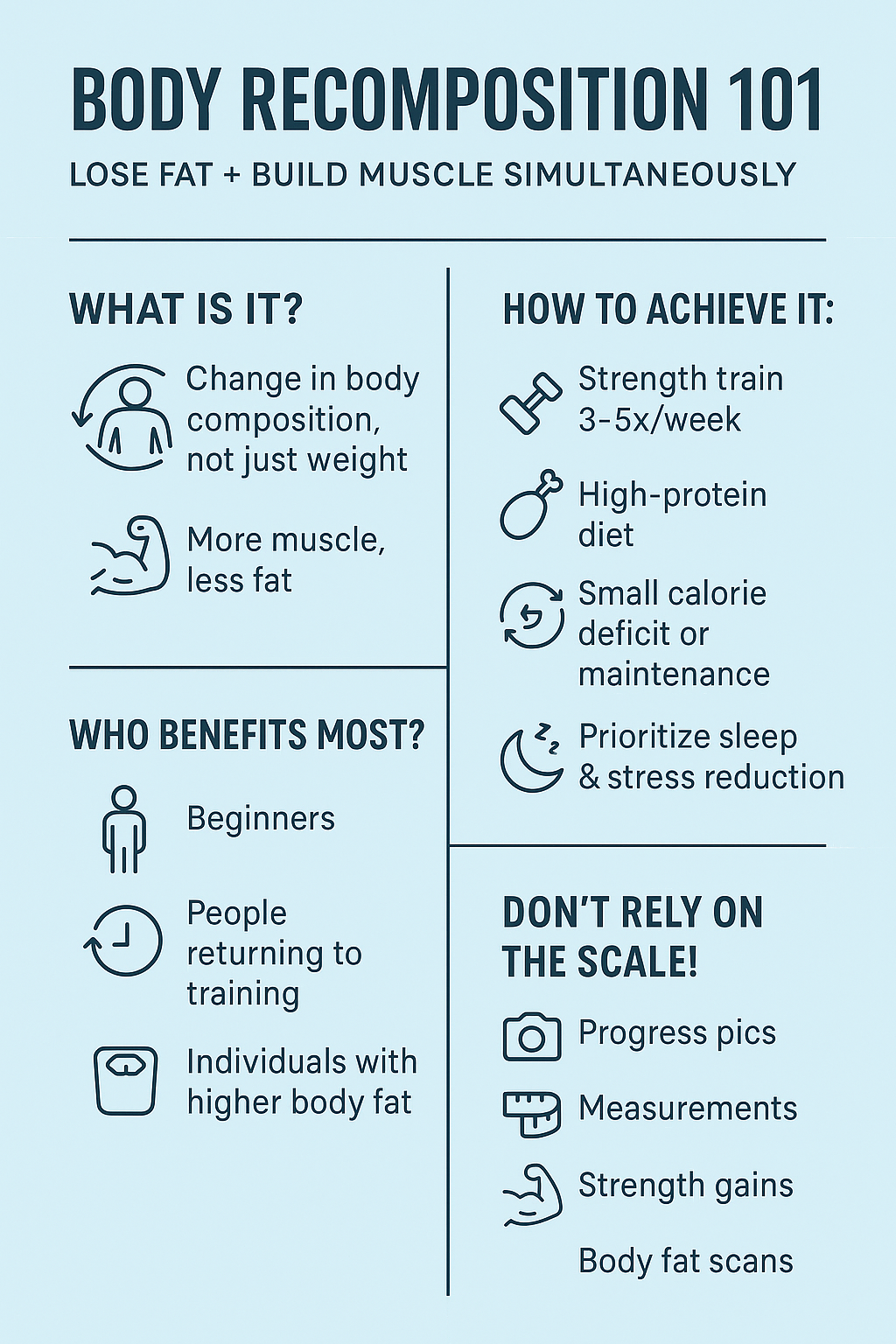
Body recomposition is a fitness strategy that focuses on altering the proportion of fat and muscle in the body. Unlike traditional weight loss methods that prioritize the number on the scale, body recomposition emphasizes achieving a healthier and more toned physique through a balanced approach to nutrition and exercise.
This process typically involves a combination of resistance training to build muscle and a carefully monitored diet to reduce fat. Many individuals find that this method not only improves their appearance but also enhances their overall strength and metabolic rate, leading to long-term health benefits.
Key Benefits of Body Recomposition
The benefits of body recomposition extend beyond aesthetic improvements. This approach can lead to increased muscle mass, which in turn boosts metabolism and promotes fat loss. Additionally, individuals often experience greater energy levels and improved physical performance in daily activities and workouts.
Moreover, body recomposition can enhance mental well-being by fostering a positive relationship with food and exercise. As individuals see tangible results in their bodies, they gain confidence and motivation to maintain a healthy lifestyle, making it a sustainable option for long-term fitness goals.
Essential Components for Success
To successfully achieve body recomposition, individuals should focus on three essential components: strength training, nutrition, and recovery. Strength training should be tailored to individual fitness levels, progressively increasing in intensity to stimulate muscle growth.
Nutritionally, a diet rich in protein, healthy fats, and complex carbohydrates is crucial for supporting muscle repair and growth while promoting fat loss. Additionally, adequate recovery, including sleep and rest days, plays a vital role in allowing the body to adapt and grow stronger.
Common Misconceptions About Body Recomposition
There are several misconceptions surrounding body recomposition, one of which is the belief that it requires extreme dieting or excessive exercise. In reality, a balanced approach with moderate caloric deficits and regular strength training is often more effective and sustainable.
Another misconception is that body recomposition is only for advanced athletes. In fact, beginners and those returning to fitness can successfully engage in this strategy with proper guidance. The key is to set realistic goals and understand that progress may take time, but consistency is essential for achieving lasting results.