The Benefits of Fermented Foods for Gut Health
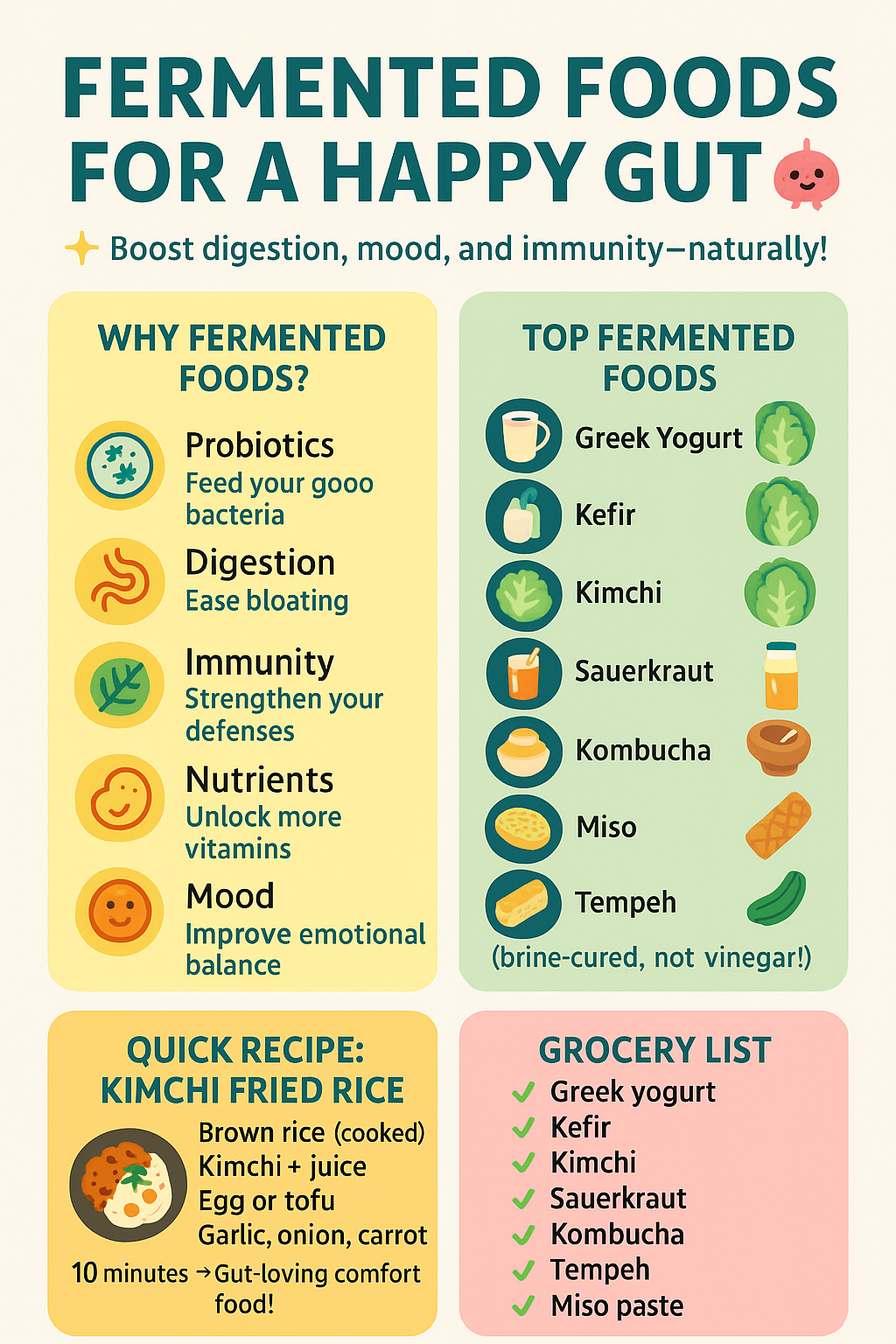
Fermented foods are packed with probiotics, which are beneficial bacteria that support gut health. These foods can enhance digestion, boost the immune system, and even improve mood by promoting a healthy gut microbiome.
Examples of fermented foods include yogurt, kefir, sauerkraut, kimchi, and kombucha. Regular consumption of these foods can help restore the balance of gut bacteria, alleviate digestive issues, and may even contribute to better mental health through the gut-brain axis.
How to Incorporate Fermented Foods into Your Diet
Incorporating fermented foods into your daily routine can be simple and enjoyable. Start by adding a serving of yogurt or kefir to your breakfast, or include a side of kimchi with your meals to enhance flavor and nutrition.
Experimenting with different fermented foods is key. You might try making your own sauerkraut or kombucha at home, or explore various flavors of store-bought options to find what you enjoy most. The goal is to gradually increase your intake to reap the health benefits.
Easy Recipes Featuring Fermented Foods
Cooking with fermented foods can elevate your dishes while providing health benefits. One popular recipe is kimchi fried rice, which combines the tangy flavor of kimchi with rice for a satisfying meal.
Other easy recipes include adding miso to soups, using yogurt as a base for dressings, or incorporating sauerkraut into sandwiches. These recipes not only add depth to your meals but also offer a delicious way to improve gut health.
Shopping List for Fermented Foods
To get started on your journey to better gut health, having a shopping list can be incredibly helpful. Include staples like yogurt, kefir, various types of pickles, and fermented vegetables.
Don't forget to add ingredients for homemade recipes, such as cabbage for sauerkraut or ginger for kombucha. This list will ensure you have a variety of fermented options at your fingertips, making it easier to incorporate them into your meals.