The Importance of Gut Health in Overall Wellness
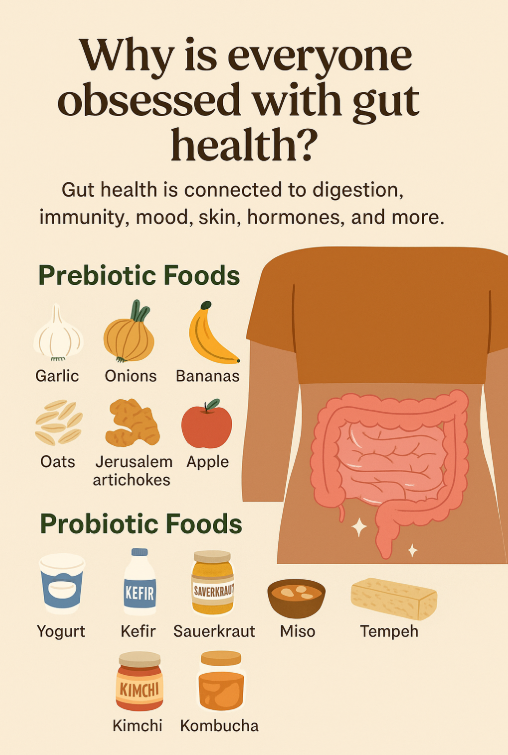
Gut health plays a crucial role in maintaining overall wellness, influencing various bodily functions including digestion, immunity, and even mental health. A balanced gut microbiome can enhance nutrient absorption and support a healthy immune response.
Research has shown that an unhealthy gut can lead to a range of issues from digestive disorders to mood fluctuations. Incorporating foods rich in prebiotics and probiotics, such as yogurt and fiber-rich vegetables, can help maintain a thriving gut environment.
Understanding Prebiotics and Probiotics
Prebiotics and probiotics are essential components of gut health. Prebiotics are non-digestible fibers that feed beneficial gut bacteria, while probiotics are live microorganisms that can confer health benefits when consumed in adequate amounts.
For example, foods like garlic, onions, and bananas are excellent sources of prebiotics, whereas fermented foods like kefir and sauerkraut provide a rich source of probiotics. Together, they work synergistically to promote a balanced microbiome.
Signs of an Unhealthy Gut
An unhealthy gut can manifest through various signs, including bloating, fatigue, and skin issues. Recognizing these symptoms is the first step towards addressing gut health and making necessary dietary changes.
For instance, if you frequently experience digestive discomfort or skin irritations, it may indicate an imbalance in your gut flora. Consulting with a healthcare professional can provide guidance on restoring gut health through diet and lifestyle adjustments.
How to Improve Gut Health
Improving gut health involves adopting a balanced diet, staying hydrated, and managing stress. Incorporating a variety of nutrient-dense foods can significantly impact gut microbiome diversity.
Moreover, regular physical activity and adequate sleep are vital for maintaining gut health. Engaging in activities like yoga or meditation can also help manage stress levels, further supporting a healthy gut.