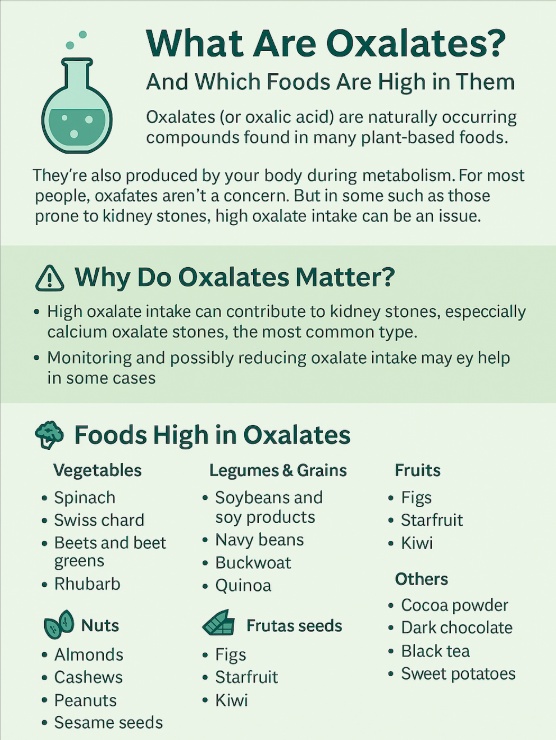
Understanding Oxalates: What They Are and Their Sources
Oxalates are naturally occurring compounds found in many foods, particularly in plant-based sources. They can bind with calcium in the body, potentially leading to the formation of kidney stones in susceptible individuals. Understanding what oxalates are and where they come from is crucial for making informed dietary choices.
Common sources of oxalates include leafy greens like spinach, nuts such as almonds, and certain fruits. While these foods are rich in vitamins and minerals, moderation is key for those who are prone to kidney stones or have other health concerns related to oxalate intake.
The Health Implications of High-Oxalate Foods
High-oxalate foods can have significant health implications, especially for individuals with a history of kidney stones. Consuming these foods in excess may increase the risk of stone formation, prompting the need for careful dietary management.
However, many high-oxalate foods are also packed with nutrients that support overall health. For instance, spinach is rich in vitamins A, C, and K, while almonds provide healthy fats and protein. Balancing these foods with low-oxalate options can help mitigate health risks while still reaping their benefits.
How to Incorporate High-Oxalate Foods into Your Diet Safely
Incorporating high-oxalate foods into your diet can be done safely with the right strategies. It's essential to balance these foods with low-oxalate options and ensure adequate hydration to help prevent kidney stone formation.
For example, pairing high-oxalate foods with calcium-rich foods can help neutralize oxalate absorption. Additionally, cooking methods such as boiling can reduce oxalate levels in some foods, allowing you to enjoy them while minimizing potential health risks.
Signs You Might Need to Limit Oxalate Intake
Recognizing the signs that you may need to limit your oxalate intake is vital for maintaining kidney health. Symptoms such as frequent kidney stones, abdominal pain, or urinary issues can indicate that your diet may need adjustment.
If you experience these symptoms, consulting a healthcare professional for personalized dietary advice is recommended. They can provide guidance on managing your oxalate intake while ensuring you still receive essential nutrients for overall wellness.